An overview of the ACTIV Project at Friendship
By Magnus Mayeen Ahmed,
23 June, 2026
In development, we often divide challenges into neat categories: health, education, climate adaptation, and governance. Yet for people living in Bangladesh’s most remote and climate-vulnerable communities, life is rarely experienced in sectors.
A family struggling with recurring illness may also face income insecurity. A child missing school may be affected by poor health, displacement, or climate-related shocks. A community vulnerable to flooding may simultaneously face limited healthcare access, weak infrastructure, and barriers to accessing public services.
These realities demand a different way of thinking about development.
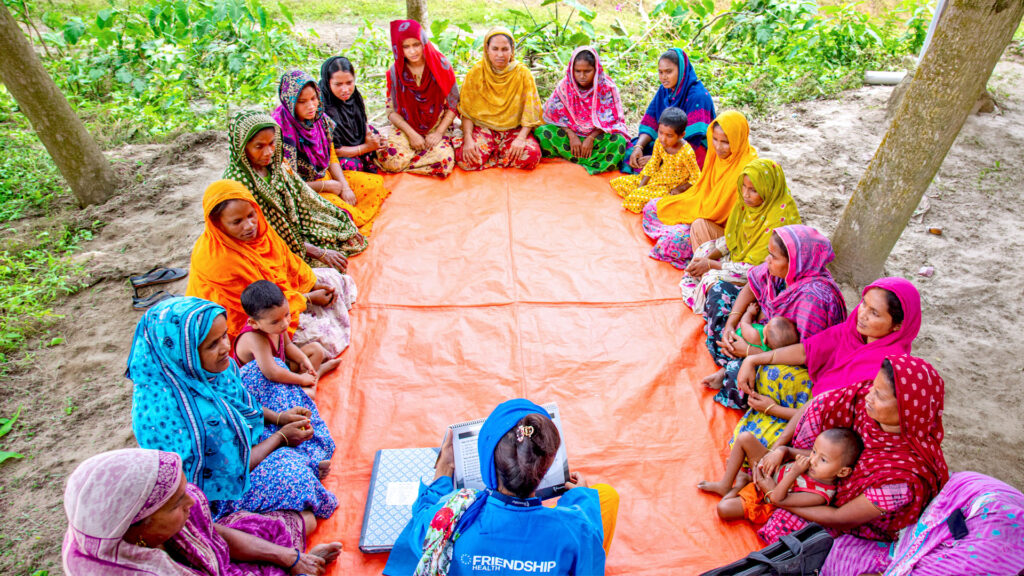
The ACTIV Project (Empowerment of Isolated or Vulnerable Communities), supported by the Agence Française de Développement (AFD) and implemented by Friendship, is built on a simple principle: lasting resilience can only be achieved when interconnected challenges are addressed together.
Working across some of Bangladesh’s most vulnerable regions, ACTIV brings together healthcare, education, climate resilience, and inclusive citizenship under a single framework. The project aims to contribute to the development and empowerment of more than one million people living in isolated and vulnerable communities, recognising that resilience is built not through standalone interventions but through connected systems of support.
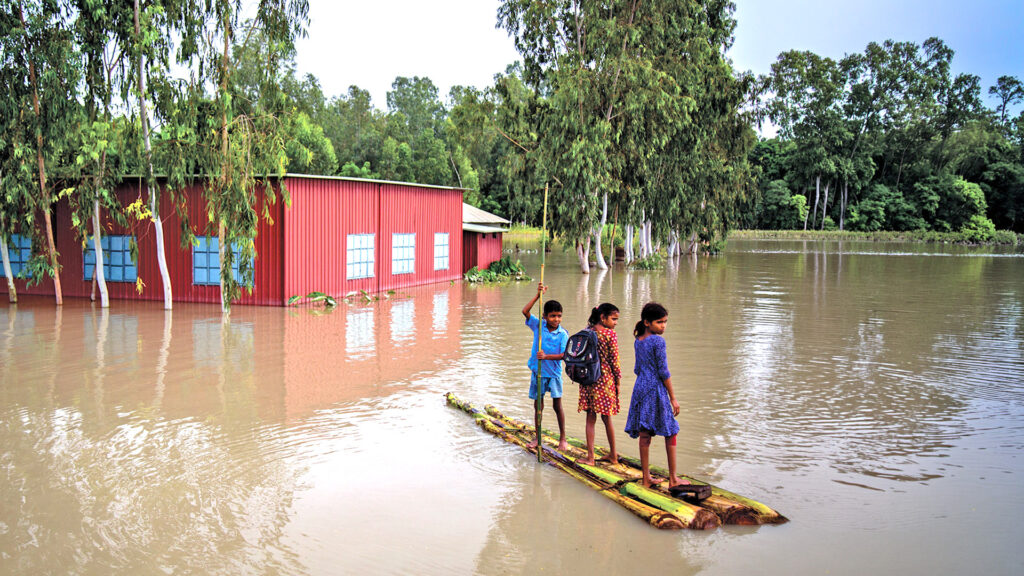
This approach is particularly relevant in Bangladesh, a country at the frontline of climate change. Floods, river erosion, salinity intrusion, and extreme weather events affect far more than the environment. They influence livelihoods, food security, health outcomes, education, and social stability. When families lose income because of climate impacts, children’s education often suffers. When disasters disrupt access to healthcare, preventable illnesses can become life-threatening. Vulnerabilities compound one another.
Traditional development models have often responded to these issues separately. Health projects addressed healthcare. Education projects focused on learning outcomes. Climate initiatives concentrated on adaptation. While these interventions generated important gains, they often overlooked the reality that people’s challenges are deeply interconnected.
Integrated development seeks to bridge that gap. Through ACTIV, communities receive support that recognises the links between climate resilience, human development, and social inclusion. Health services are strengthened alongside initiatives that improve access to education, build resilience against climate-related risks, and strengthen people’s ability to access rights, services, and opportunities.
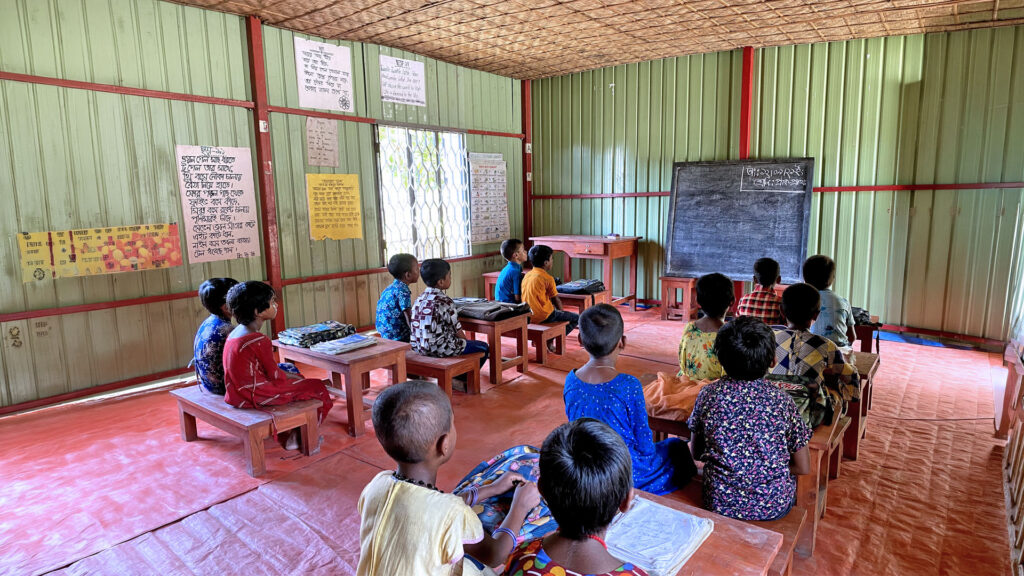
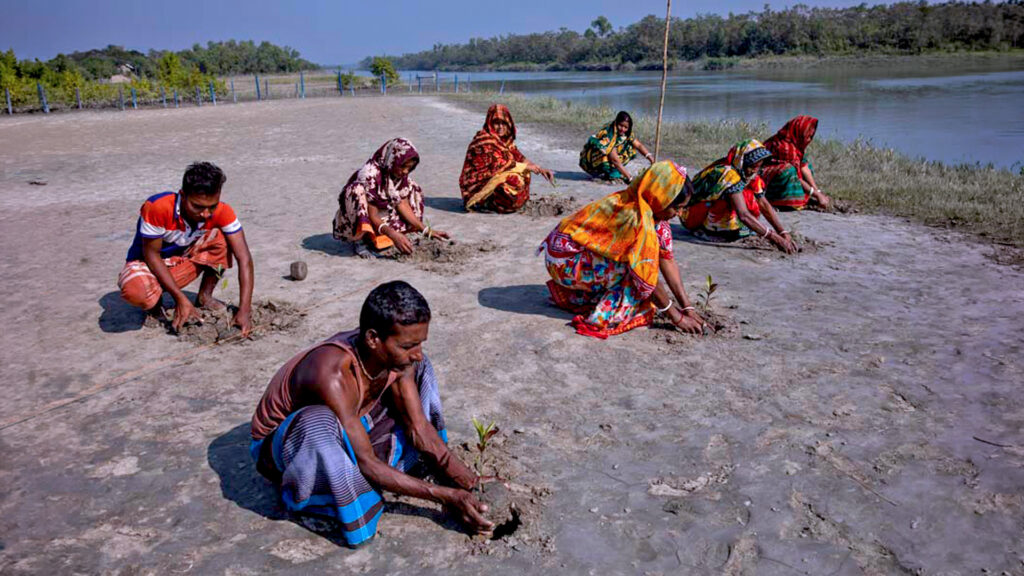
The impact of this approach can already be seen across project areas. More than 129,000 people have gained access to healthcare services, over 800 students are benefiting from enhanced education opportunities, and 30,000 mangrove trees have been planted to strengthen natural protection against climate-related hazards. Meanwhile, initiatives promoting education and preventing child marriage have reached nearly one million people across vulnerable communities.
These achievements are significant not only because of their scale, but because they demonstrate how progress in one area reinforces outcomes in another. Better health allows children to attend school more regularly. Improved education expands opportunities for the future. Climate adaptation measures help protect lives, assets, and essential services. Greater awareness of rights enables people to access support systems that were previously out of reach.
At the centre of the model is the belief that communities themselves are key drivers of change. Whether through frontline health workers, teachers, local leaders, or community groups, ACTIV invests in people who understand local realities and can sustain progress long after project activities conclude. This focus on local ownership helps ensure that development outcomes are not only achieved but also maintained.
The benefits of this approach extend beyond individual sectors. Healthier, better-informed, and more resilient communities are better equipped to adapt to climate shocks, participate in local decision-making, and pursue opportunities for a more secure future. This is the value of integrated development: progress in one area creates momentum in others, generating outcomes that no single intervention could achieve alone.
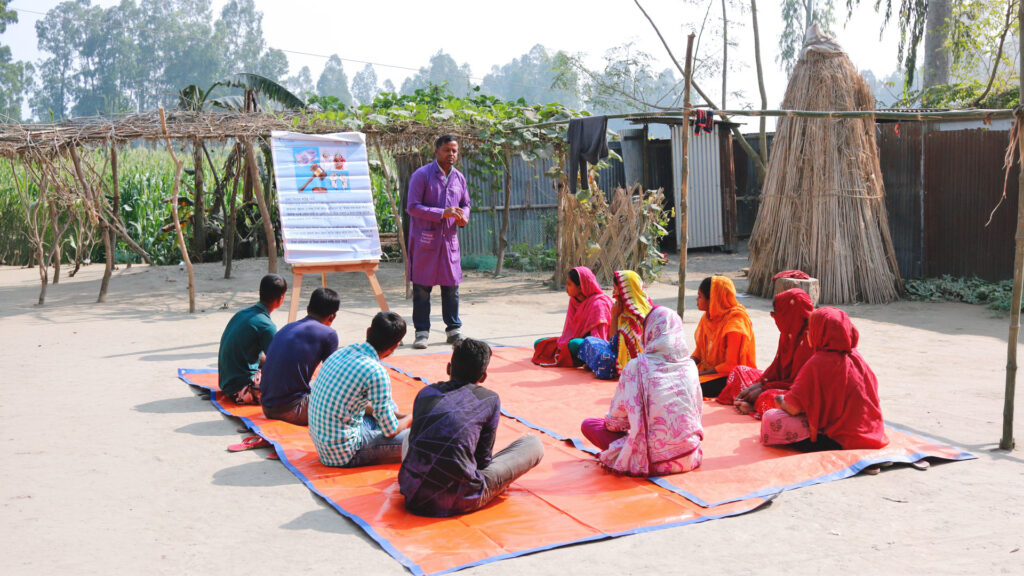
As climate change, inequality, and social vulnerability become increasingly interconnected, development efforts must evolve accordingly. The challenges facing vulnerable communities today rarely fit within a single sector. Effective solutions, therefore, require collaboration across sectors, institutions, and disciplines. Integrated development is not simply a programme design choice; it is a recognition of how people actually live and the complex realities they navigate every day.
The ACTIV Project offers an example of what this can look like in practice. By connecting health, education, climate resilience, and inclusive citizenship, it moves beyond addressing immediate needs to strengthening the foundations of long-term resilience. In a rapidly changing world, building resilient communities requires more than isolated interventions. It requires connected solutions that recognise the links between people, systems, and opportunities.
When challenges are interconnected, development must be too.