The success of Bhalukia Palong Girls’ High School in Ukhiya, Cox’s Bazar, shows what becomes possible when children are given a chance to play their best
By Iffat Ara Sharmeen,
11 June, 2026
Today, millions of people around the world are gearing up to celebrate the beginning of the FIFA World Cup 2026. Stadiums will roar with excitement. Streets will be filled with flags, cheers, and confetti.
Yet, while one part of the world celebrates the beautiful game, another part remains quiet. In this part of the world, children are unable to play due to circumstances beyond their control, like gender, race, or economic, social, and cultural barriers.
Through Friendship’s Mobile Sports Library initiative and initial support from the KLABU, girls gained access to sports equipment, training, and encouragement. A girls’ football team was formed—the first in the subdistrict. What began as early morning practice sessions soon became something much bigger. The girls learned to pass, defend, compete, and believe in themselves. They lost their first tournament. Then they trained harder. Soon, they became Upazila (subdistrict) Champions, and subsequently District Champions, and their success story is still being written.
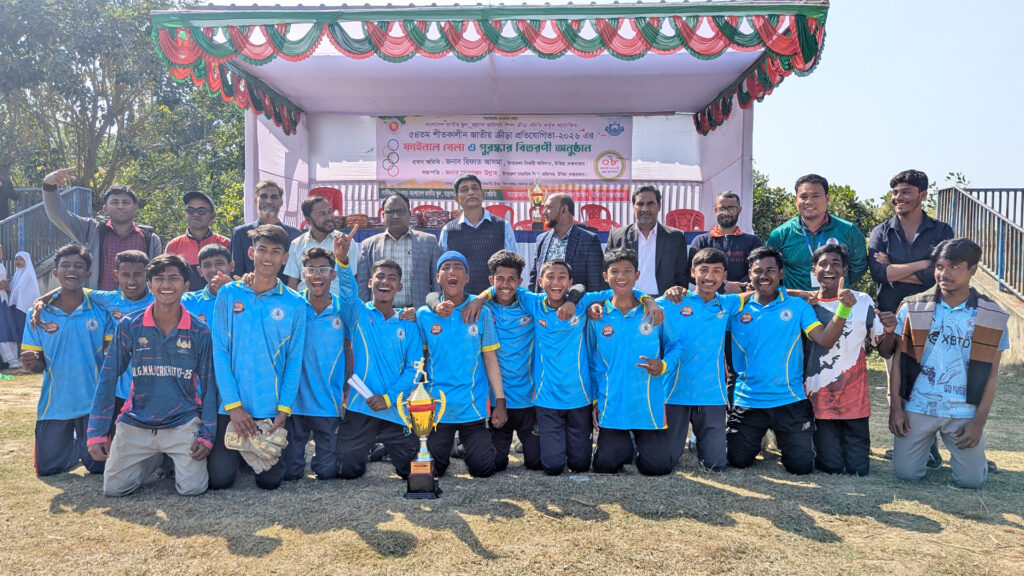
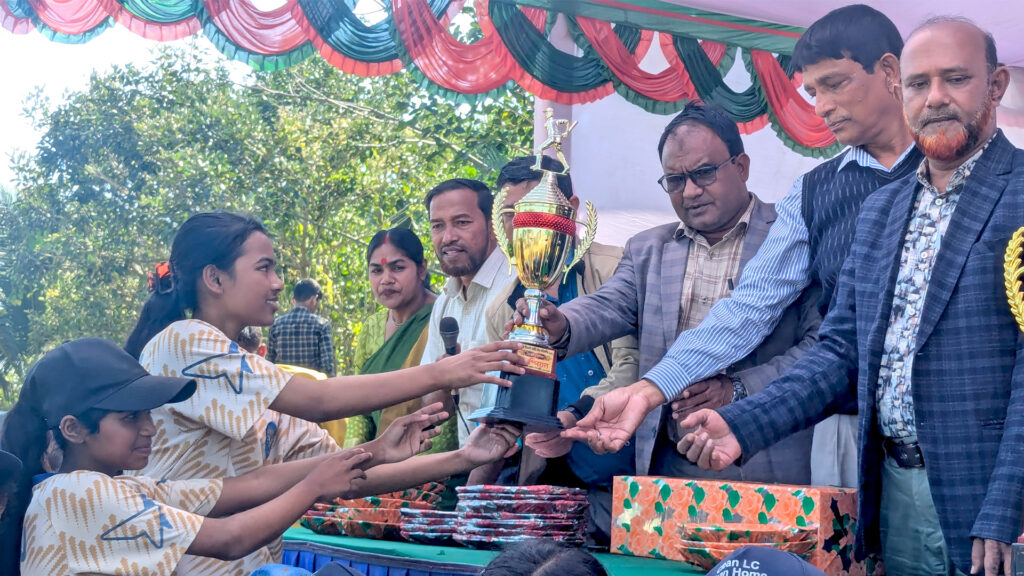
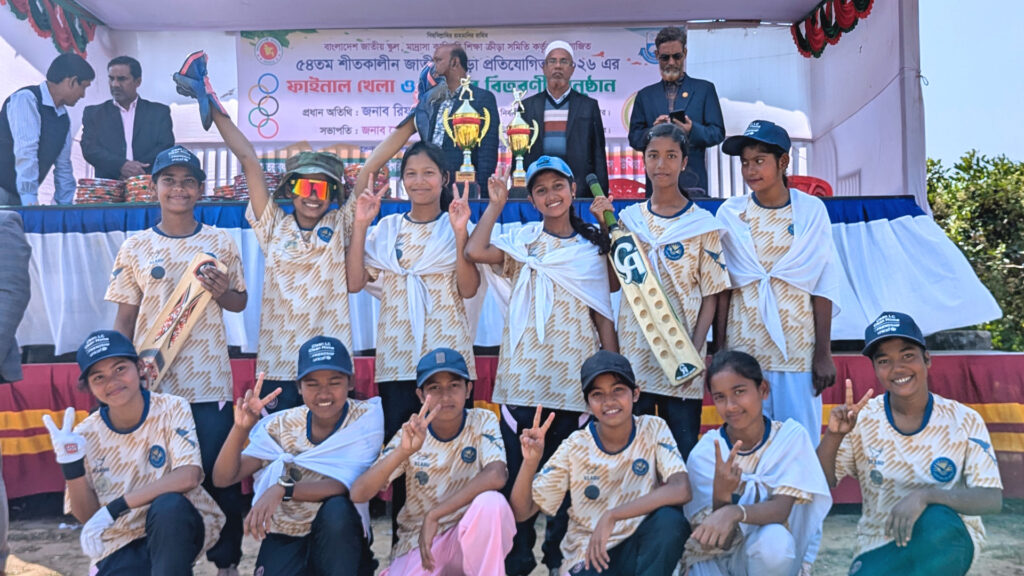
This year, the Bhalukia Palong Girls’ High School’s formidable Cricket Team emerged as champions in the 54th National School, Madrasah, and Technical Education Summer Sports Competition at the Upazila level. Their achievement also stands as a powerful reminder that when girls are given access to play, they do not simply participate; they excel. Their dreams might begin on dusty school fields and village roads, but they too, deserve the opportunity to run and laugh and compete. Their victory represents what years of encouragement, access to equipment, dedicated coaching, and a community gradually embracing play can do. Often children are told not to play. Some children lack safe spaces to do so. Others dismiss their dreams of playing due to poverty.
Play is a fundamental right for every child under the United Nations Convention on the Rights of the Child. Play helps children develop physically, emotionally, socially, and mentally. It teaches teamwork, builds spirit, and leadership. To protect play is to create a memorable childhood. The story of the champions of Bhalukia Palong Girls’ High School illustrates this well.
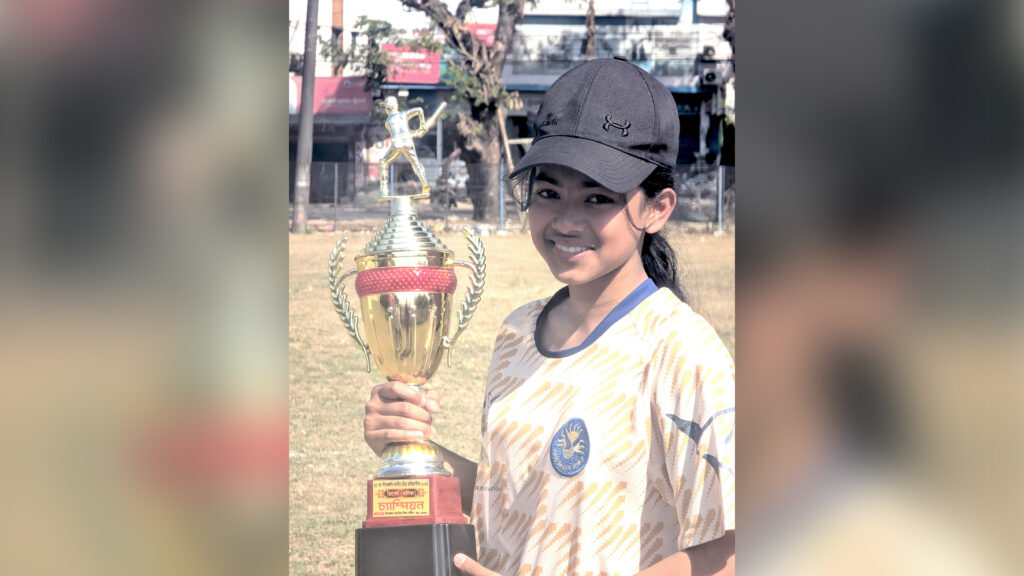
Just a few years ago, girls at this school had never imagined themselves as athletes. Living in a conservative community, some initially stepped onto the field wearing their school uniforms or burqas. They faced hesitation, social pressure, and uncertainty, but they also carried something powerful: the desire to play.
As the world watches football’s biggest stars take the field at the FIFA World Cup 2026, we should also celebrate these young champions. Their names will not appear on international scoreboards, but they embody the same determination, teamwork, and dreams that make play so powerful.
Play is not a distraction from childhood. It is childhood. This International Day of Play, let us remember that protecting play means protecting childhood. It means ensuring that every child, no matter what, has the freedom to participate, belong, and dream.