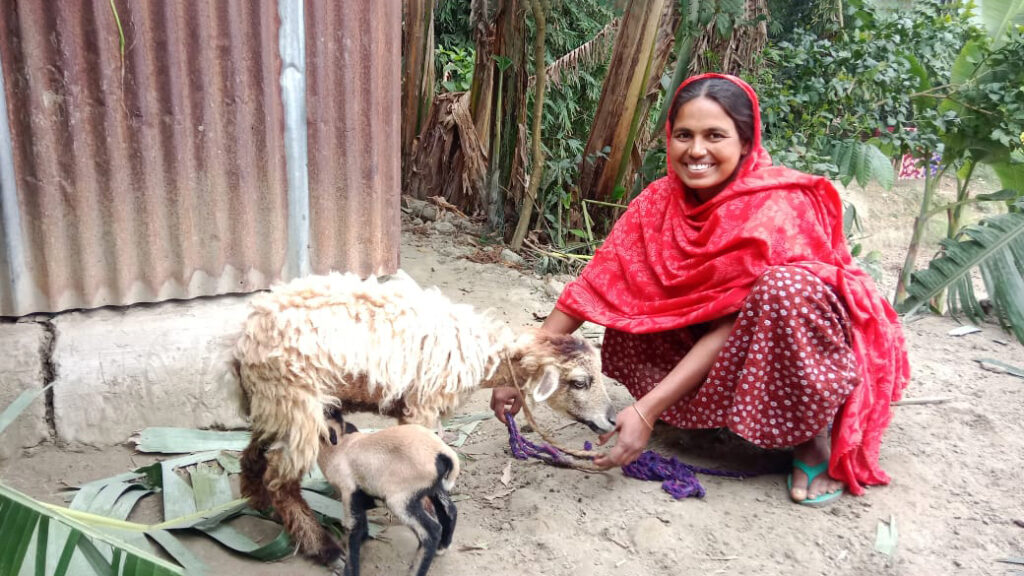
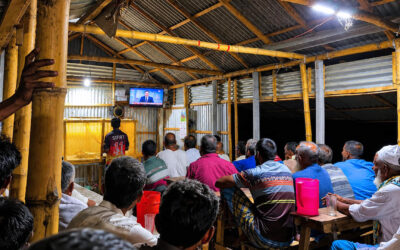
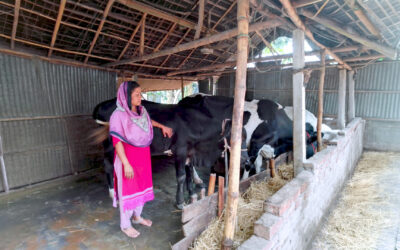
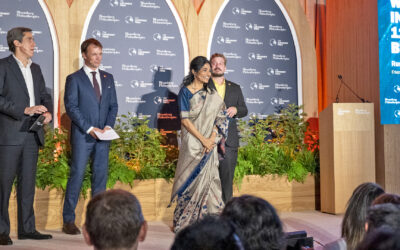
A snapshot of Friendship’s Transitional Funding Project implemented across 198 climate-vulnerable communities in Bangladesh.
by Iffat Ara Sharmeen,
26 February, 2026
The riverine northern and southern coastal regions of Bangladesh host some of the most climate-vulnerable and marginalised communities in the world. Their lives are characterised by rebuilding and reliving disasters in a never-ending cycle of poverty. Weak infrastructure, coupled with economic instability, is another obstacle to their basic dignity and socioeconomic opportunities.
Which begs the question: what keeps them going? How can their strengths be harnessed to ensure development that is both sustainable and empowering for them?
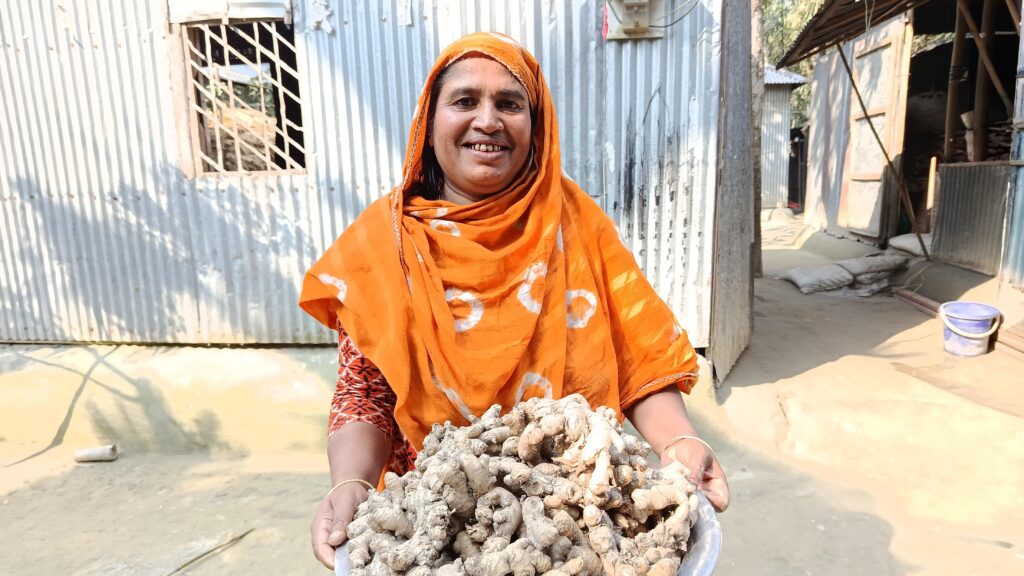
In 2017, Friendship launched the Transitional Funding Project with these questions at heart, aligned with UN Sustainable Development Goals (SDG) 1, 8, and 13. Friendship understood that what marginalised communities needed was not one-off emergency aid, which tends to dissipate by the time the next disaster strikes. Instead, they needed an integrated approach to development, one that can be sustained and led by themselves using their own expertise and knowledge.
This project was evaluated by an independent team from the University of Liège in partnership with Friendship Bangladesh and Friendship Luxembourg. A policy brief on the evaluation study with further recommendations and detailed results is available here.
Empowerment Beyond Economic Aid
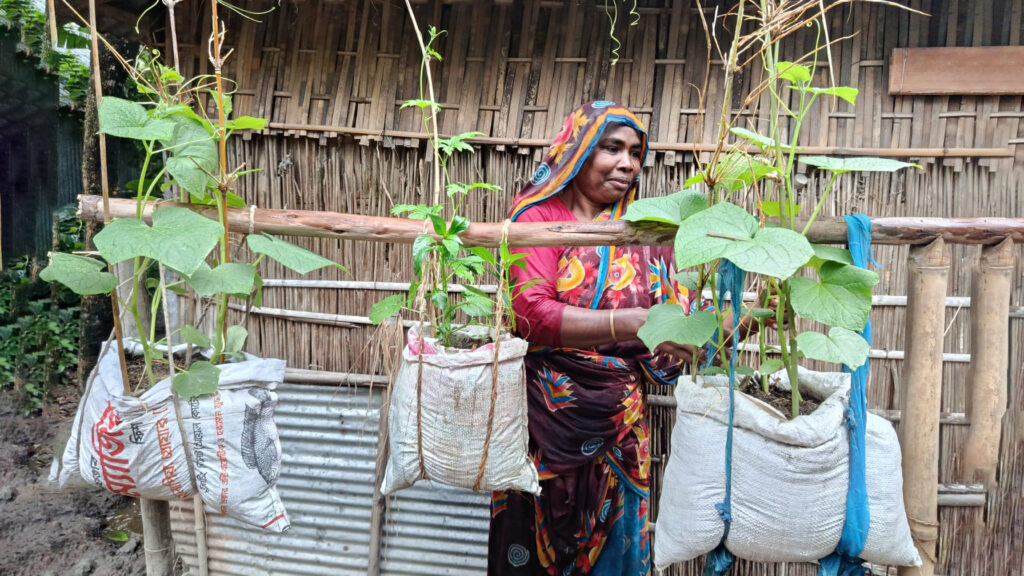
The Transitional Funding Project was designed in a way that transformed post-disaster recovery into sustainable development, focusing on disaster preparedness, community resilience, economic empowerment, and inclusive community-driven governance instead of relying constantly on short-term support. Each phase targeted different communities so that lessons from a prior phase can be used in the subsequent one.
C1 Phase (2017-2018): Foundations
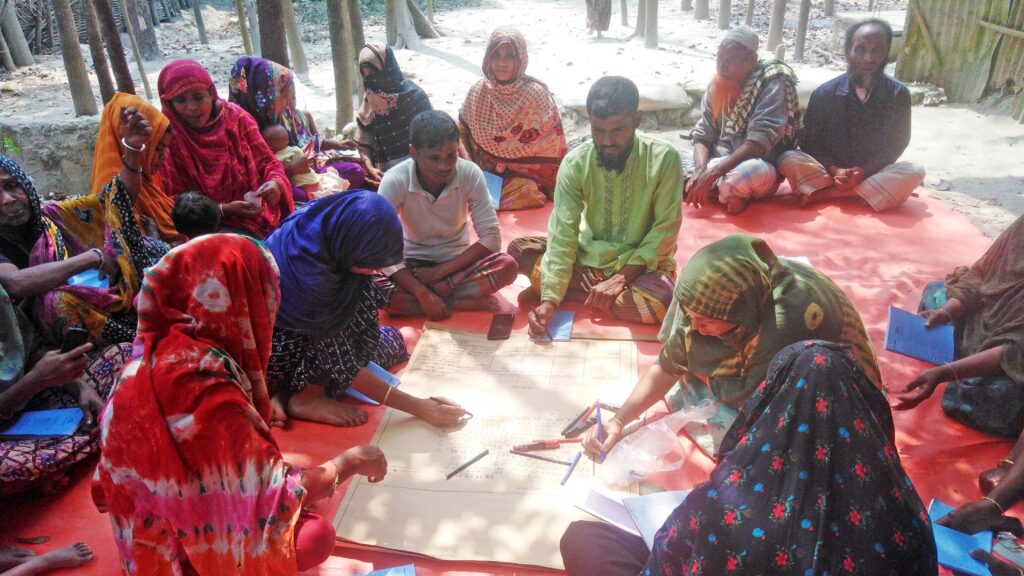
The first phase was piloted across four districts, involving emergency drills, livelihoods, civic training, and microfinance. 48 Friendship Disaster Management Committees (FDMCs) with 50% women were established for disaster preparedness, post-disaster recovery, as well as inclusive participation. Community savings groups were activated, and household micro-savings were tracked.
C2 Phase (2019-2020): Scale and Inclusion
The following year, the project included one more district and focused on context-specific income diversification. Participants were trained in climate-adaptive agricultural practices and expanded savings schemes.
C3 Phase (2020-2021): Integration
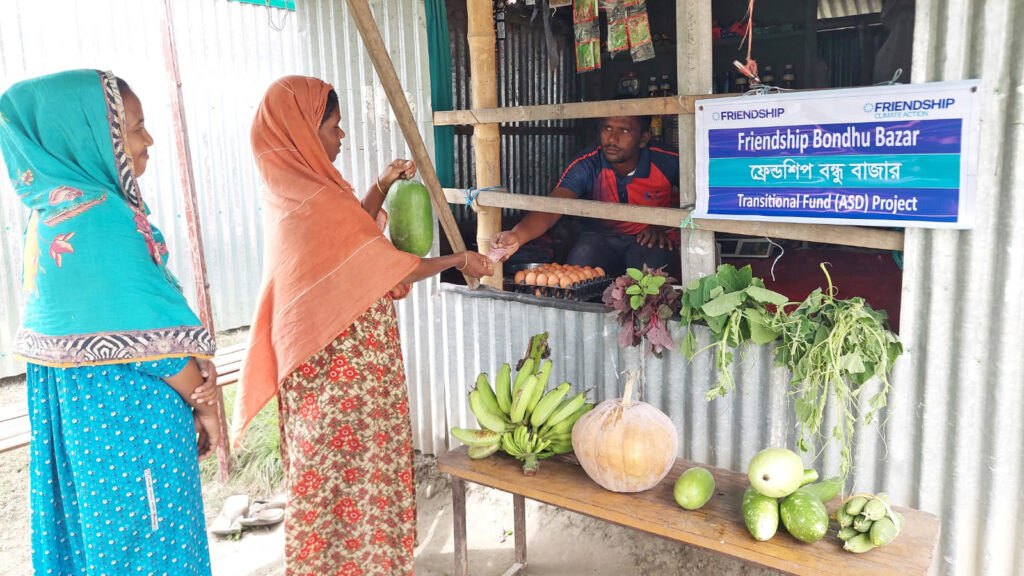
In this phase, existing interventions were refined. Participants actively engaged with civil society and supported the Covid-19 response. They were involved in diverse income-generating activities and co-financed community infrastructure elements with the local government.
C4 (2023): Consolidation
The last phase communities integrated and institutionalised the conclusions from the prior phases and focused on sustaining and improving them. Household savings and incomes were evaluated and reported for future investments.
Success Unlocked
All phases showed successful outcomes in enhancing local leadership, economic diversification, women’s participation, climate adaptation, inclusivity, and local governance. Improved outcomes paved the way to easier access to disability pensions, widow allowances, and school scholarships. Over 80% households reported multiple income sources, raising household income by 66% to 78%. These results demonstrate the positive impact of the project on the economy.
A Replicable Community-Anchored Model
The project outcomes were achieved using existing community structures, thus being efficient and cost-effective. There were limitations such as inadequate water infrastructure and income diversification gaps, but with the right support from government agencies, donors, and partner NGOs, the results can be scaled up to unlock a more resilient future for rural communities.