The second of a two-part special feature on the One Health, salinity and the impact on local communities
By Eloise Dagneau,
2 June, 2026
When I asked what happened after the disaster ended, I got to tangibly understand the depth of its consequences. Though it was easier for me to conceptualise the direct impacts, it was harder for me to grasp the more indirect effects caused by environmental impacts such as salinity on local communities, their livestock and their physical and financial well-being.
The first part of this special feature elaborates on the concept of One Health.
Immediate consequences of floods and cyclones
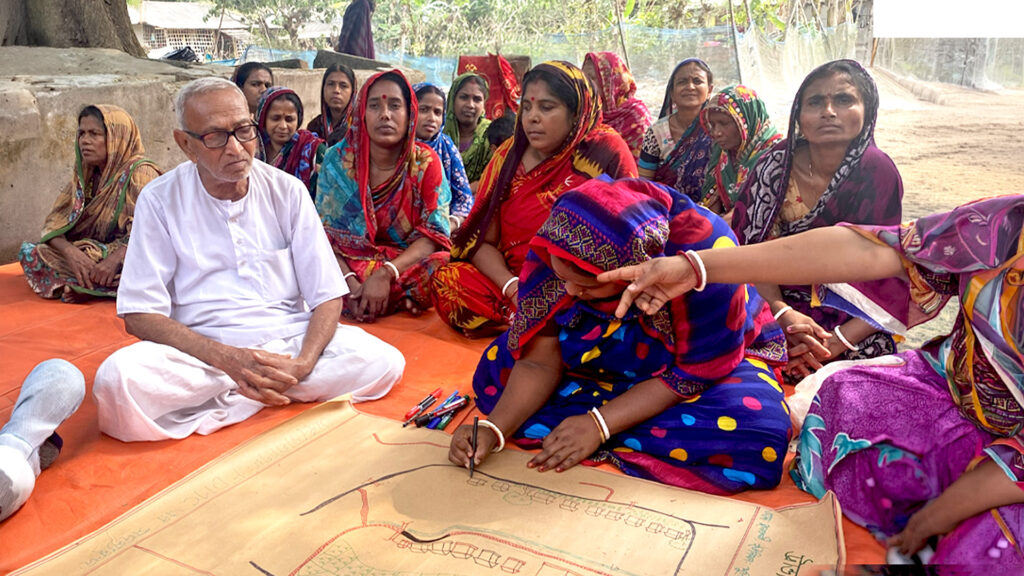
There is loss and damage that goes deep into the physical and social fabric of society (Thierny, 2018), a fact that often needs to be seen to truly grasp. When people experience damaging events such as disasters, the first step is to repair the damage and try to return to the way things used to be—receiving financial aid, rebuilding infrastructure, and food support. However, a return to normal also involves the continuance of daily activities, including work. Indeed, exposure to these emergencies can affect socio-economic systems as well as ecological and epidemiological outcomes (Panic, 2013).
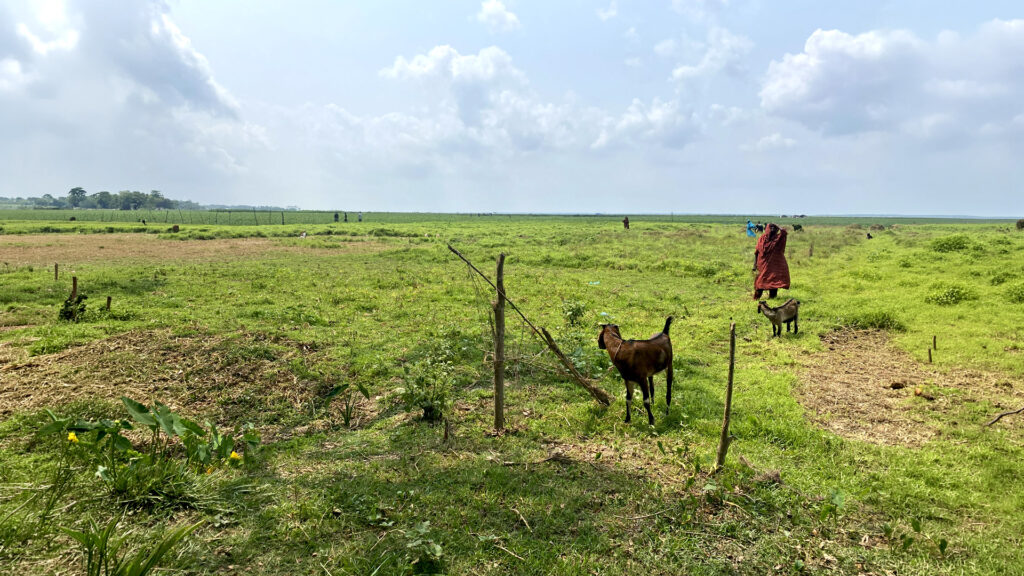
In this case, after a flood or a cyclone, people reported extreme salinity in the soil and water, making it impossible for them to grow crops and sustain their fisheries. As fisheries must be maintained at certain levels of salt, these extremes make it impossible to keep fish alive. Cattle fall sick or die.
If crops cannot grow, they can neither be eaten nor sold. If humans, cattle, and fish die or fall sick, it exacerbates the problem and also increases the competition for resources between people and livestock.
Waiting for normal
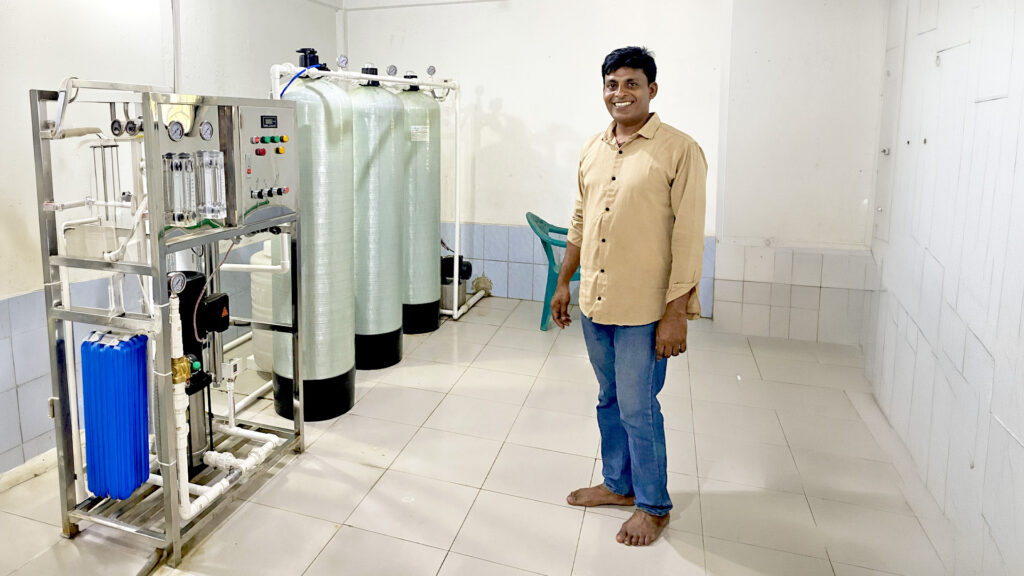
Many of the community members I interviewed told me that after a cyclone or flood, they would eat only once a day. That is especially harmful because of the length of the impact and delays in food production. To be able to fish and farm, the water and the land must return to normal salinity levels. For this, locals must wait for the floods to recede, while at the same time waiting for the rainfall to wash away the excess salt. Till such time, they have no choice but to be dangerously undernourished.
Once it rains, salt dissolution is not immediate. The landscape must be prepared; seeds must be planted, and sufficient time allotted for crops to grow, which can be 1-2 months. For those who lost assets such as their livestock, it may take even longer.
Financial vulnerability in Bangladesh’s coastal regions is, as such, deeply intertwined with the instability of natural resources. When salinity levels rise beyond tolerable thresholds, rice yields can decline sharply, significantly reducing agricultural productivity. Prolonged salinity intrusion can leave farmlands unsuitable for cultivation for extended periods, further intensifying livelihood challenges. This decline in crop production directly undermines the primary source of income for coastal households and exacerbates food insecurity, pushing already vulnerable communities into deeper economic hardship (Illius, 2022).
The double burden of salinity and contamination
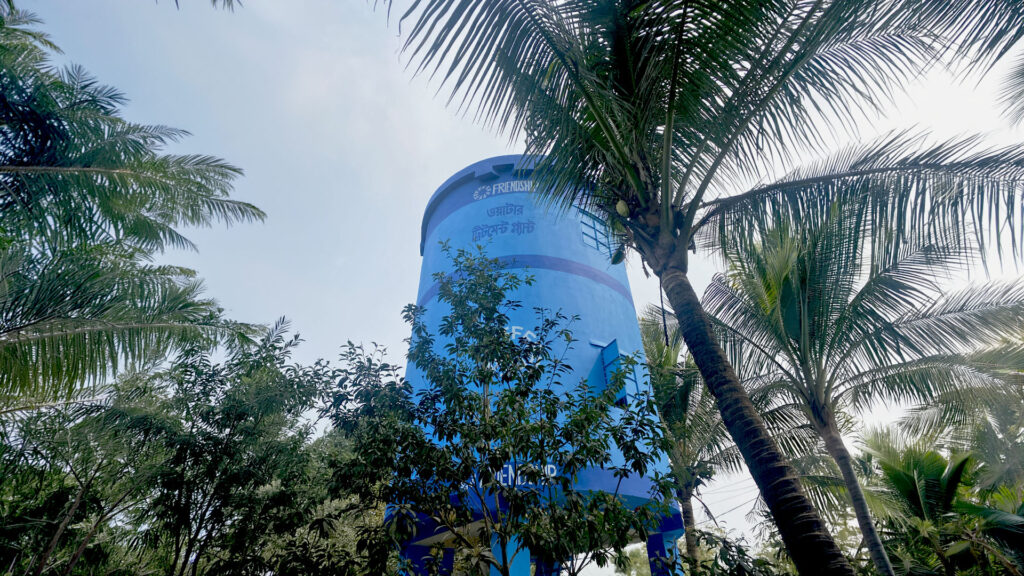
After a flood or a cyclone, people also reported water contamination beyond just salinity. Drinking this water, whether it be humans or animals, can cause diseases such as diarrhoea, cholera, dysentery, malaise, and fever, as reported by the locals. The destruction of latrines and toilets creates a mixture of human and animal faeces in the available water bodies. Though the community did not report other types of contamination, I could not help but wonder about plastic waste contamination. What about the contamination caused by the remains of livestock not disposed of properly? Most of the people had turned to water sources from other villages at considerable distances. With no immediate source of income, they were forced to walk the whole way, unable to pay for transport.
Combined with the injuries incurred during the disaster (running towards cyclone shelters due to unstable roads and little visibility), health status declined to worrisome levels. These issues represent the clear interdependence between humans, animals, and the environment. I came to understand that these impacts run deep, but they are also inherently intersectional, and should be the subject of thorough research
In the end, I asked them: “So do things ever turn back to normal?”
Their only reply: “Things never go back to normal.”