by Syed Abu Sinjan Saadat
18 April 2026
Cultural heritage is often understood through what endures in place—monuments, sites, and formal recognition. Yet much of it continues in less visible ways, carried through routine practice, skilled labour, and forms of knowledge that persist without being explicitly identified as preservation.
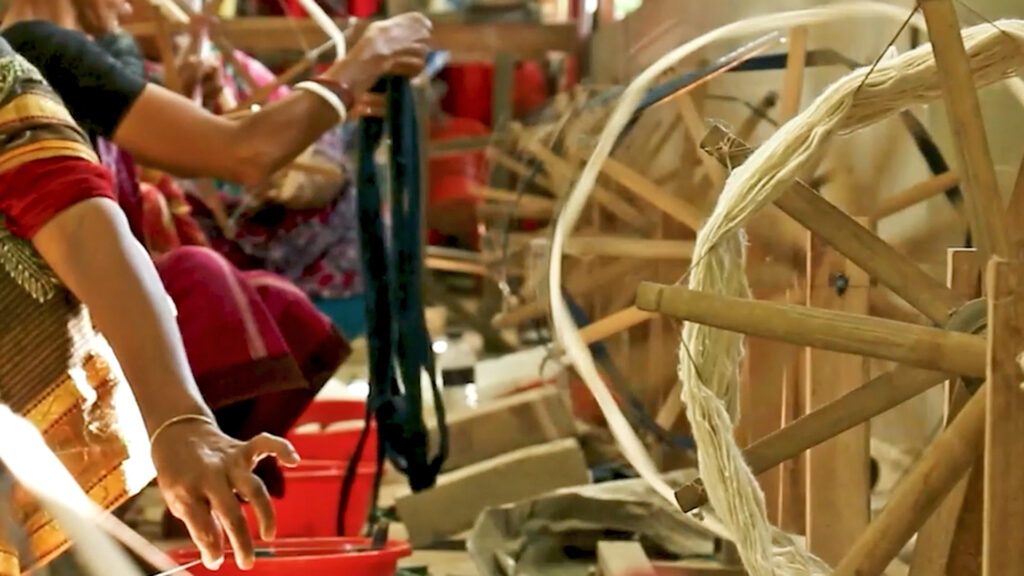
In Cumilla, khadi—a traditional fabric—remains part of this quieter landscape. The infrastructure of production still exists, and the knowledge required to produce it continues to be practised. What has changed is the context that once sustained its everyday use. Over time, demand has declined, and the fabric has become less present in contemporary clothing habits. While it remains recognised, it is no longer embedded in daily life as it once was.
This reflects a broader pattern affecting many forms of living heritage. Cultural practices are not always lost through disappearance; more often, they become detached from the conditions that made them relevant and viable. Recognition, whether social or institutional, does not ensure continuity. Without integration into present systems of use and value, practices gradually recede from everyday life.
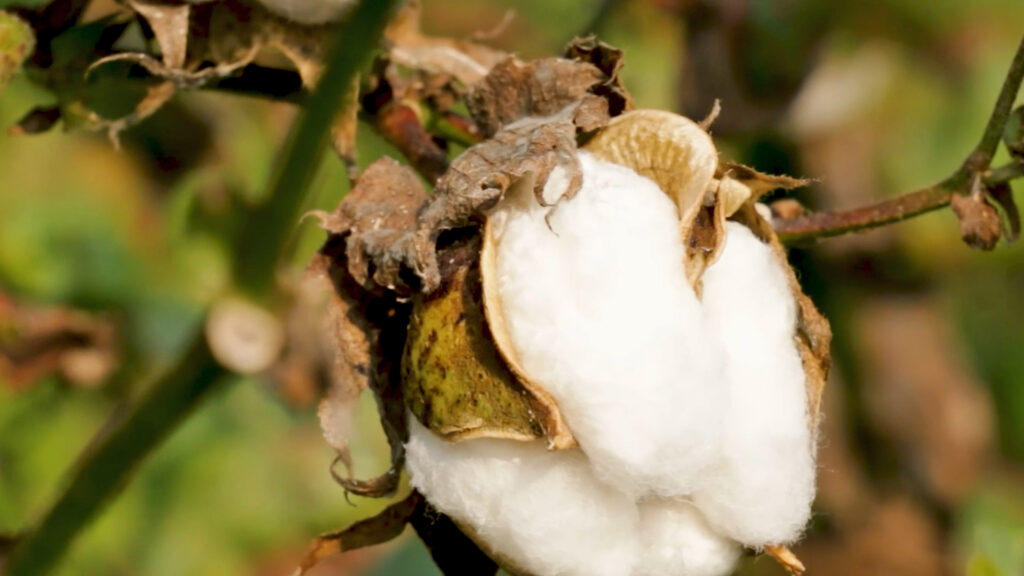
Work in this context began with an effort to understand what remained, rather than reconstruct what had been lost. Friendship Cultural Preservation and Friendship Colours of the Chars approached khadi not as a finished tradition to be restored, but as an ongoing practice requiring renewed relevance. This meant working directly with artisans and producers, and focusing on how the fabric could function within current patterns of use. This reflects an approach to preservation grounded in continuity and shaped through dignity, relevance, and participation, where heritage is sustained through livelihoods.
The process was gradual and grounded in the craft itself. Adjustments were made to yarn, weight, and finishing in ways that responded to contemporary preferences while remaining within the logic of hand-spun, hand-woven production. The intention was not to alter the identity of khadi, but to enable it to be worn in ways that align with present-day expectations.
Friendship Colours of the Chars played a role in translating these adjustments into garments that could re-enter everyday wardrobes. This involved rethinking silhouettes, wearability, and comfort while maintaining the fabric’s essential qualities. Through this process, khadi has been engaged not as a revived relic, but as a material that continues to be produced and worn. The work remained closely tied to artisan knowledge, with adaptation emerging through collaboration rather than imposition.
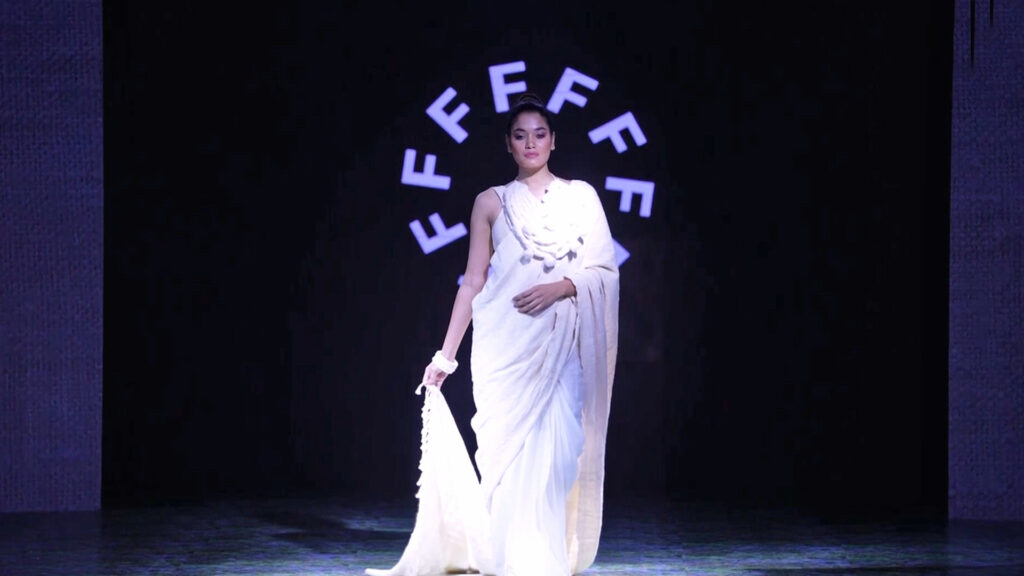
As this developed, production regained purpose within the communities involved. Weaving became connected once again to demand. The value of the skill was reinforced not through symbolic recognition but through continued use. Khadi exists as part of a wider ecosystem of handloom traditions, women’s labour, and knowledge that continues to adapt while retaining its structure.
This experience underscores a central aspect of cultural preservation: continuity depends not only on safeguarding knowledge, but on ensuring its relevance. Cultural practices must operate within contemporary economic and social frameworks if they are to persist as living forms.
On World Heritage Day, attention is often directed towards sites and traditions that have been formally recognised and protected. While important, this does not fully account for heritage that continues through use rather than designation. Many practices remain active without formal visibility, sustained through the ongoing work of communities that carry them forward.
Khadi illustrates how heritage can persist without being static. It does not require reconstruction, but recalibration. The question is not only how heritage can be preserved, but how it can remain in use.