Salinity, drought, heavy rainfall, temperature rise, sea level rise, river erosion and a host of other issues plague the world’s largest delta, leading to serious climate concerns about the near future
By Iffat Ara Sharmeen,
20 August, 2026
For aeons, the Himalayan glaciers, monsoon seasons, and river tributaries have fed Bangladesh’s river systems with nutrient-rich soil, nurturing civilisations, plants, and wildlife through agriculture and livelihood opportunities. The Sundarbans stood tall and watchful against the sea’s mood swings, but anthropogenic climate change upset this balance.
According to a 2023 IMF-World Bank Assessment Report, the sea level in the Bay of Bengal could rise by 27 cm or more by 2050 given 1.5°C warming and increased precipitation. Heat waves, droughts, and saltwater intrusion are harming agricultural production, water supplies, ecosystems, and coastal assets, risking the displacement of 13 million internal climate migrants by then.
Pouring Salt on the Wound
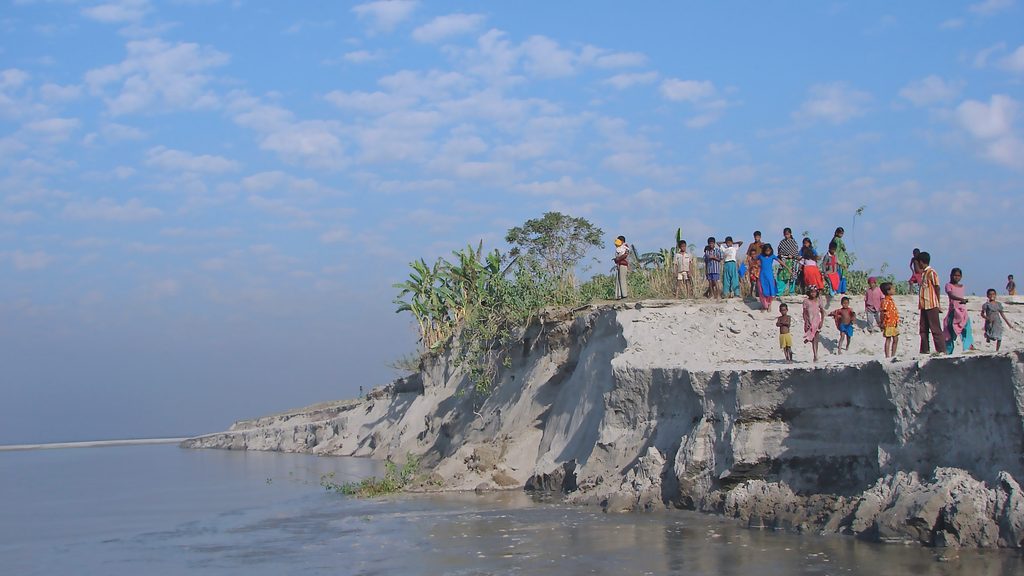
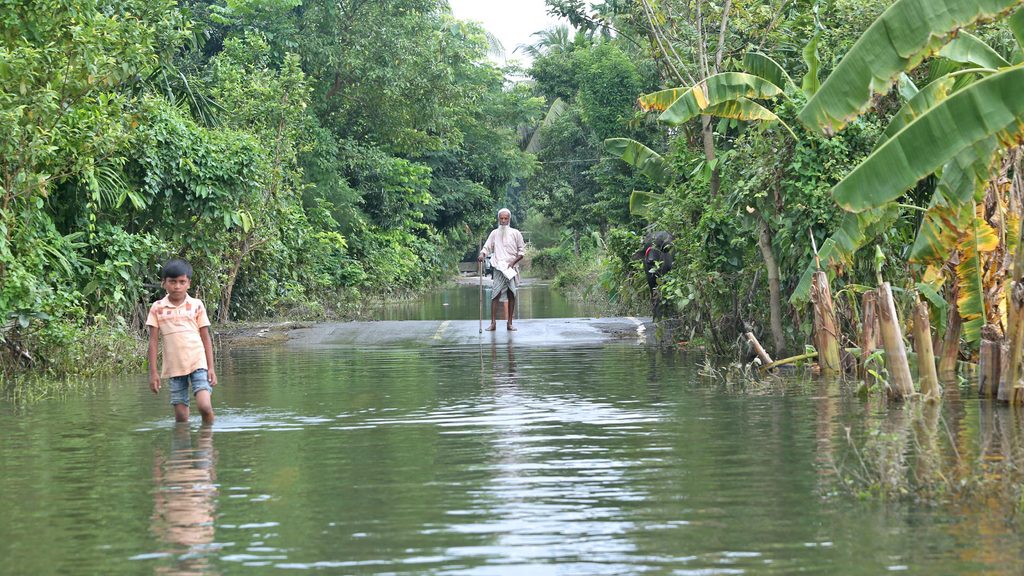
Bangladesh faces problems in two directions. In the south, repeated flooding, coastal erosion, unpredictable rainfall, tides, and cyclones damage agricultural land and reduce soil productivity. Land degradation in ecologically fragile areas such as the Sundarbans further strains the ecosystems. In the drought-prone north, groundwater depletion, water scarcity, river erosion, and low vegetative cover, particularly in fragile ecosystems like the Barind Tract, also contribute to land degradation and loss of agriculture. Together, they reduce these ecosystems’ natural capacity to maintain biodiversity and sustain communities. These pressures are further intensified by human activities such as deforestation, intensive land use, and increasing demand for real estate, fuelwood, fisheries, and water resources, compounding existing challenges and creating a cycle of environmental degradation and livelihood insecurity.
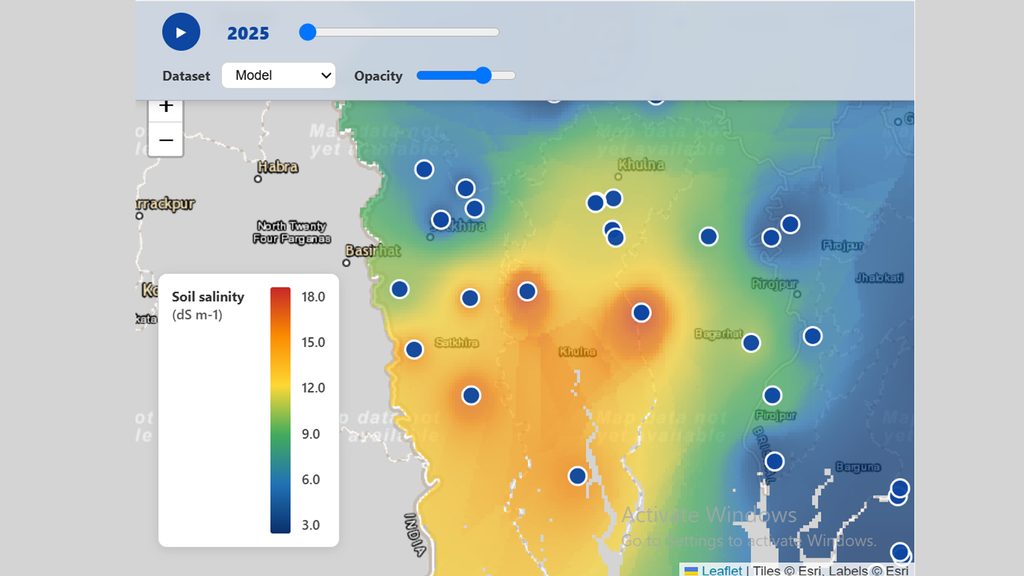
A Soil Resources Development Institute (SRDI) study shows that salinity is rapidly spreading inland across southwest Bangladesh, even reaching districts like Gopalganj and Jessore. By 2024, nearly 68% of cultivable land across 18 coastal districts was affected. Another 2021 UNDP survey found that 73% of the population in five coastal subdistricts (Koyra, Dakop, and Paikgachha in Khulna, and Assasuni and Shyamnagar in Satkhira) drink unsafe saline water, having no other choice. Women and girls spend hours walking to ponds or waiting in line to collect potable water from private and government treatment plants.
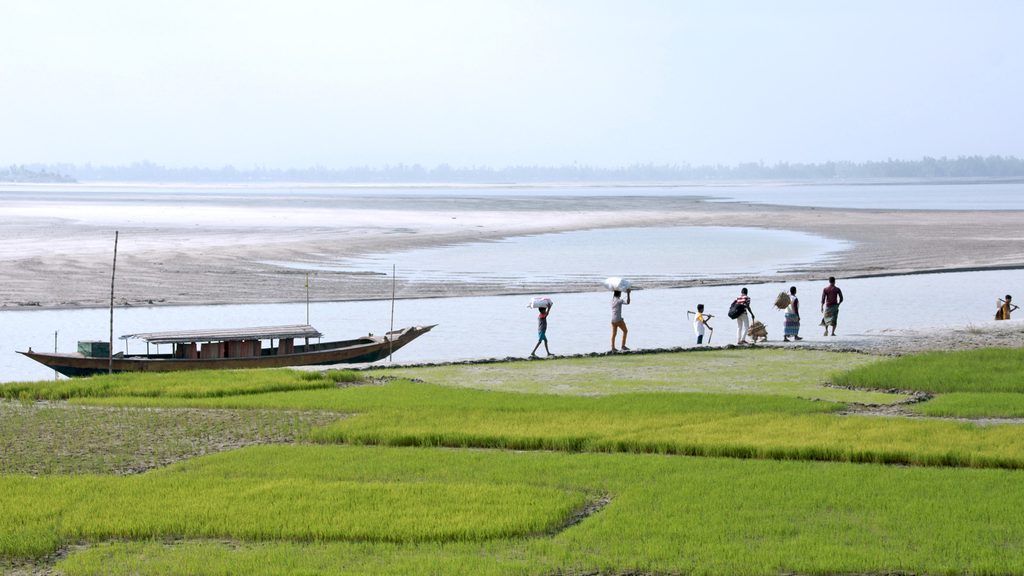
Conversion of agricultural land and natural ecosystems, combined with salinity intrusion and its prolonged retention, has driven this increase. A quarter of the country’s population lives along the coast, and with such slim livelihood prospects amid growing salinity, land degradation, and barren land, many are left in poverty and end up migrating. Salinity is thus a key contributor to both land degradation and forced migration.
A report submitted by the Bangladesh Government to the UN Convention to Combat Desertification (UNCCD) shared that land degradation, droughts, and soil and water salinity may have already paved the way for a “desertification process” in the most vulnerable areas. Reduced river flow, disturbed rainfall patterns, and continuous groundwater extraction have worsened droughts in the north, hitting agricultural production harder than floods, while also accelerating salinity and aridity in areas that once had fertile soil, putting biodiversity and habitats further at risk.
Early Action Matters
Bangladesh’s participation in UNCCD COP17 sheds light on how multiple climate impacts are transforming the country’s fertile delta into pockets of aridity faster than anticipated. Any programme must therefore address these issues holistically. The Government has selected priority areas to combat the desertification threatening land and rivers accordingly.
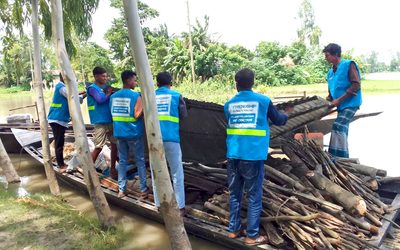
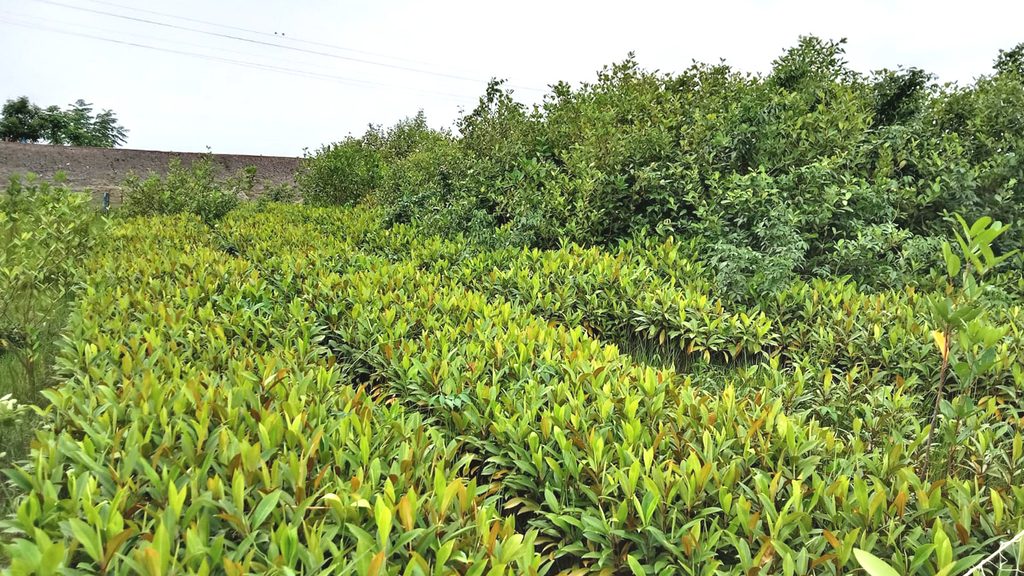
Mangrove afforestation and tree plantation are among the recommended programmes. Friendship has managed the largest private mangrove afforestation programme in the country since 2018. In line with Government priorities, Friendship has also introduced water harvesting and conservation practices, salinity-resistant crops, multi-source water treatment plants, and sustainable water management among coastal communities. Communities are guided toward better soil, crop, and forest management, so they can earn a living while protecting their environment — an integrated approach that has helped ensure dignity and hope for frontline communities.
Land degradation and desertification are increasingly serious concerns for Bangladesh, driven by climate impacts like rising salinity, drought, and river and coastal erosion, alongside human practices like deforestation and unsustainable land use. Friendship recognises that addressing this requires greater awareness, collaboration, and action nationally and globally. Though it has been a continuous presence at the climate change and biodiversity COP, this year Friendship is participating in the desertification COP for the first time. The Bangladeshi social purpose organisation seeks to raise awareness of Bangladesh’s emerging challenges, engage global stakeholders, and learn from international experience, nature-based solutions, and partnerships that can strengthen future action at home.