Farmers of Goynar Potol in Chilmari, Kurigram, find new avenues of agricultural success through Friendship Farmers Clubs
by Iffat Ara Sharmeen,
16 February, 2026
The northern riverine char islands carry a complex mix of geographical issues, climate vulnerabilities, and economic despair. Dreamy landscapes quickly become nightmarish for the ultra-poor communities living here, who regularly face climate calamities. With their homes and livelihoods uprooted and rebuilt repeatedly, there is a dire need to provide not just solutions that stick around, but also those that accommodate their needs and leave room for progress—an example of which is Friendship’s Farmers Clubs.
Only an integrated approach to sustainable development could truly uplift the lives of the marginalised communities in these regions. For more than two decades, Friendship has provided successful solutions in healthcare, climate disaster management, and education for these communities.
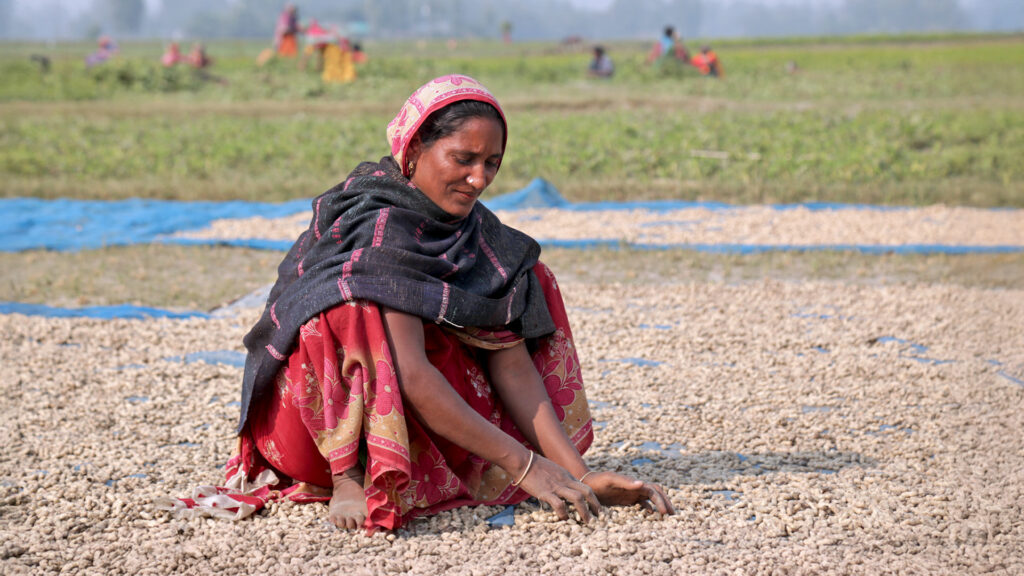
But more than addressing systemic issues, they needed the empowerment and self-determination tools to bring about change in the way that best suited them. Friendship Farmers Clubs (FFC) are exactly that—platforms where farmers discuss common concerns, share knowledge, discuss experiences, troubleshoot issues or collaborate on goals regarding agriculture, livestock, and fisheries. By sharing information under Friendship’s guidance, they practice leadership, inclusive decision-making, and community building, leading to long-term, climate-friendly, and profitable solutions.
Solutions brought forth are not brazen or abruptly implemented. Each technology or innovation that is discussed is carefully laid out by farmers to ensure they do not interfere with local biodiversity or disrupt the One Health microcosm that keeps the animals, plants, and overall human wellbeing intact.
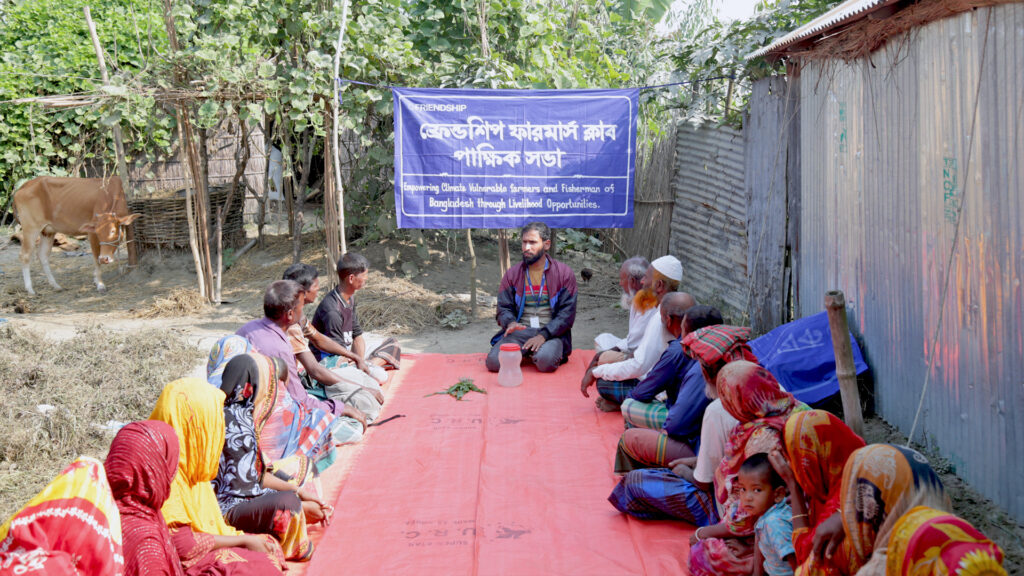
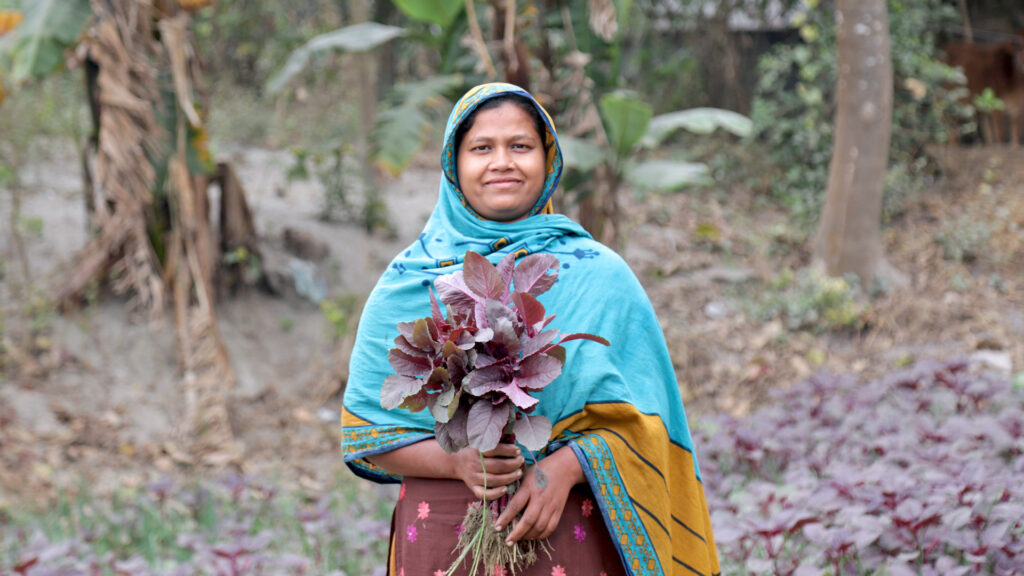
“We did not know much about vegetables or farming them in an organised way. After Friendship came along, we practised vegetable farming on woven beds,” said Mosammat Lal Banu, a Friendship Farmers Club Goynar Potol member. “With Friendship’s support, we learned a lot. We used to use too much fertiliser and pesticides in our farms and fields, without any thought to quantity. Now we don’t use fertilisers or pesticides much. Our household income improved, and we have no physical ailments either,” she added.
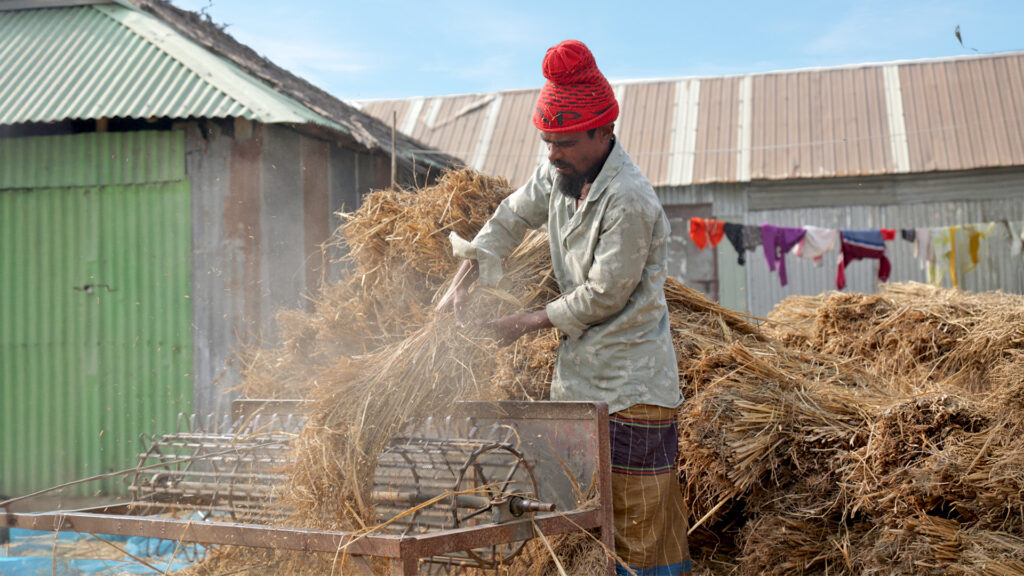
Mohammad Nur Hosen, president of FFC Goynar Potol, shares his pride in the 25 hardworking men and women farmers under his care. “We have two monthly meetings. Before these meetings, we did not have much profit, but after these knowledge sessions, we are now more aware, more educated. Mahfuz Bhai taught us about soil testing and whether to use urea or organic fertiliser. We now have increased crop production and lower expenses than before,” he added. He recently discussed livestock rearing tactics with members, such as cow fattening and making cow feed at home to ensure profitability. Members were also taught about pests and beneficial insects, and how pesticides and insecticides often harm the environment and lead to worse agricultural outcomes. Three times a year, the Club discussed livestock vaccination and animal diseases such as foot-and-mouth disease.
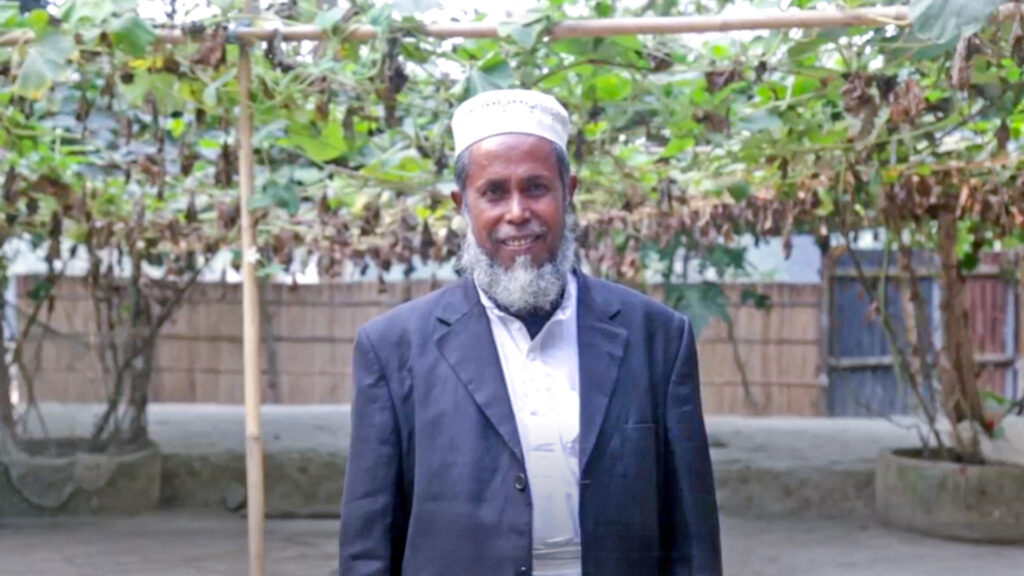
“Talking to each other helps raise awareness and knowledge. We now produce more high-quality crops,” Hosen acknowledged. He praised the effectiveness of training and continuous education in not just achieving effective cost-cutting farming practices but also in improving the environment in Goynar Potol.