Two-part special feature on the place of One Health in development in Bangladesh by an international intern at Friendship’s Climate Action sector
by Eloise Dagneau
29 April, 2026
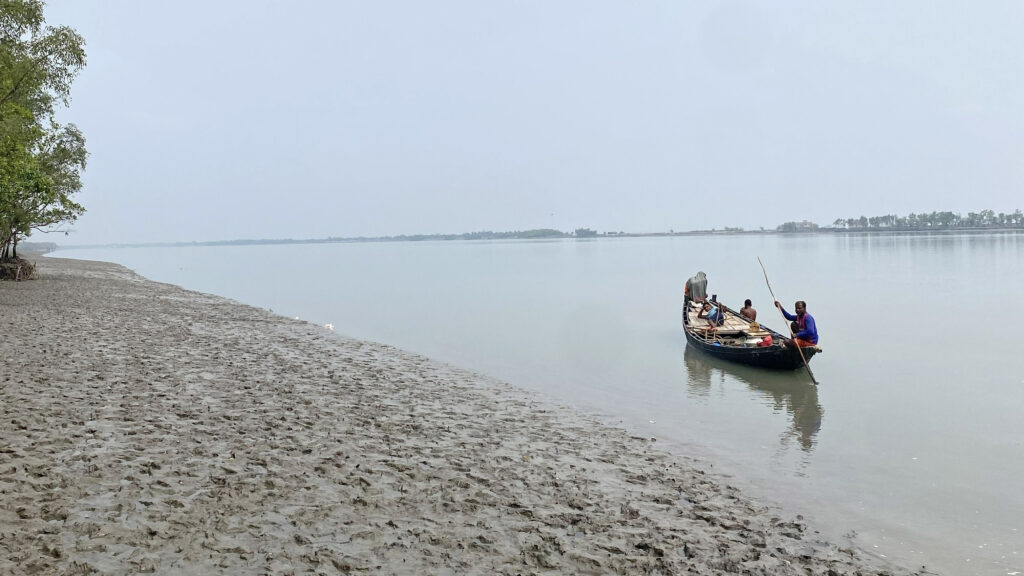
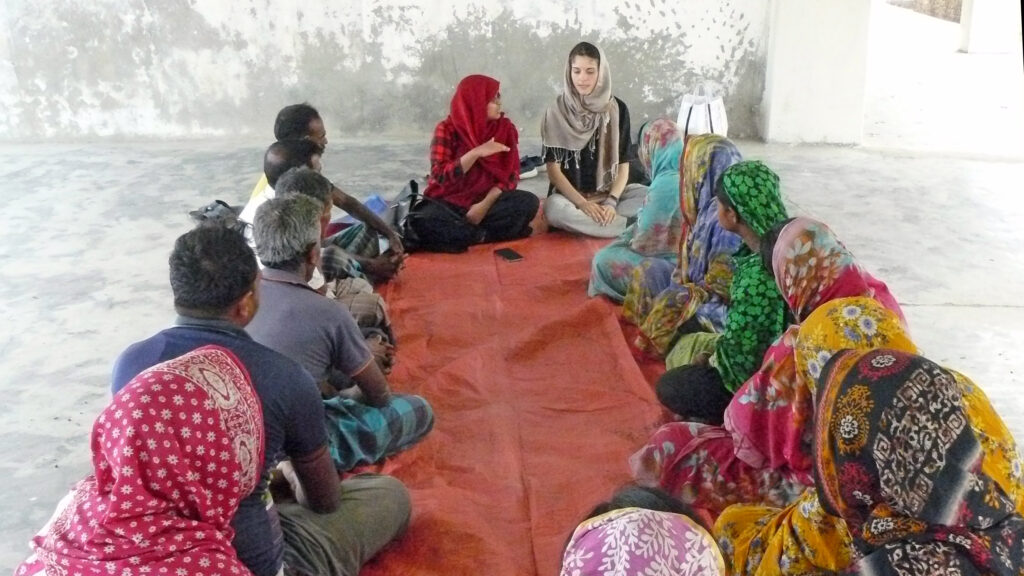
When I asked the local char communities of two coastal villages near the Sundarbans to describe what health meant to them, it was daunting to hear that all elements included in that definition were damaged or destroyed after a cyclone or a flood.
What does being healthy mean to you?
Their answer: Access to nutritious, protein-rich, and good and healthy food. Water. Hygienic toilets.
Rising Extreme Weather Events
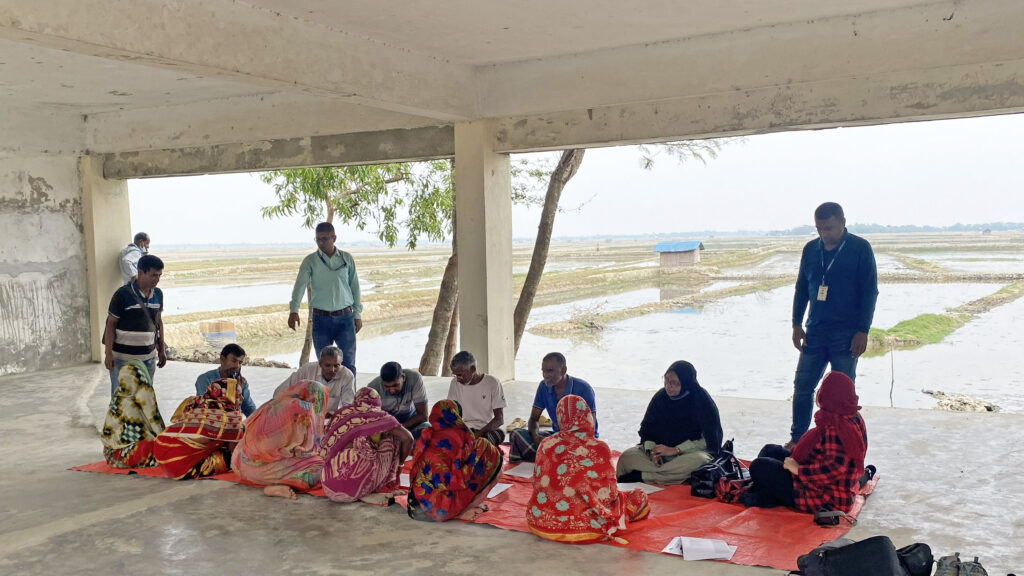
In the southern regions of Bangladesh, floods and cyclones bring landslides and saline water intrusion. This is not new news. These natural disasters have been occurring for centuries but have been intensifying only in recent times, with major cyclones like Sidr, Aila, super cyclone Amphan and Remal in 2007, 2009, 2020 and 2024, respectively. About 50-70% of the local population found their homes destroyed or heavily damaged. Monsoon rains, heavy or altered river flows, weakened riverbanks, and harmful human activities such as deforestation are primary reasons for such destructive forces.
The communities confirm what the literature has been reporting: disasters are increasing not only in frequency but also in intensity because the Bay of Bengal’s waters are getting warmer. These extreme weather events are becoming more unpredictable, adding another layer of complexity as communities are less able to prepare for the events. On top of that, the sea level in this area is rising faster than the global average, about 3-5 millimetres each year. This means that the low-lying char islands are slowly but surely disappearing under the rising waters.
Exposure Risks and Vulnerabilities
Risk mapping identified char islands as extremely high-risk locations for cyclones and floods. Chars are river islands created by the deposit of silt and sand from rivers. Their unstable structure also makes them vulnerable to river fluctuations and erosion, which is exacerbated by climate change.
These populations are vulnerable due to their dependency on land and cattle for food and livelihoods. Wealth in the extremely poor char communities is determined by the amount of land a household can cultivate, but also by access to land, the ownership of livestock, and any other productive assets such as solar panels, mobile phones, agricultural tools, and television.
Most local communities rely on fisheries, trees, and land for food and income. The meat, fish, and vegetables they reap are sold at local markets. 39-48% of their household’s yearly income is spent on food, their biggest expenditure. Thus, the environment (especially land and water) is not only a symbol of access to food for healthy nutrition but also holds an economic value as well. They live in low-quality housing with limited access to water infrastructure and health services, making them focal points for interventions.
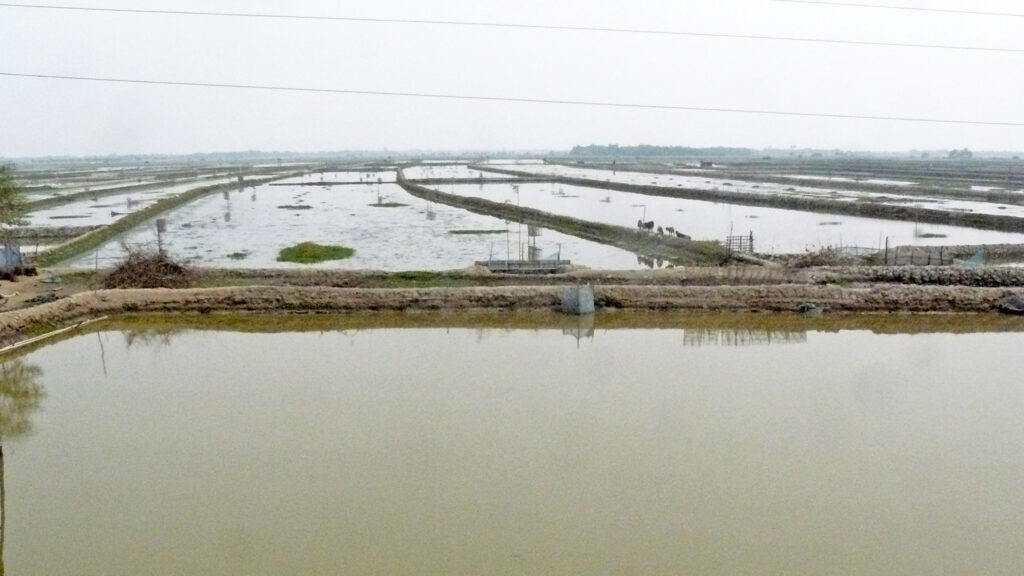
If crops cannot grow, people and animals cannot eat, and they cannot sell their food in the markets and earn an income. If humans, livestock, and fish die or become sick, they cannot eat or sell their food. It doesn’t help both animals and humans who are competing for food. One Health recognises this nexus. These vulnerabilities align with risk mapping, making char communities focal for One Health studies.
Clearly, for these communities, being healthy is deeply connected to the health of their animals and the environment around them. When the soil and water are healthy, people have good food and are less likely to get sick. These connections are reflected in One Health.
The environment is changing, and people feel it. When your work relies on land and water, the land and water need to remain “healthy”.
To be continued in part 2, coming soon.