Agricultural experts call for identifying sustainable innovations in the agriculture sector
By Abu Bakar Bin Alam
18 January, 2026
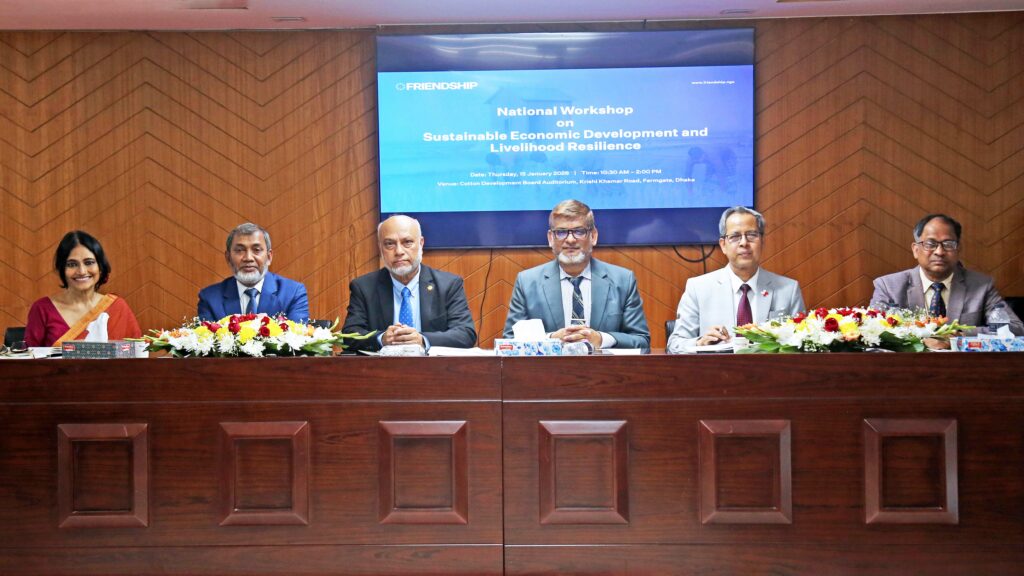
On 15 January 2026, Friendship organised the first national workshop on sustainable economic development and livelihood resilience in Dhaka. The workshop, titled “Sustainable Economic Development and Livelihood Resilience,” was organised to strengthen sustainable livelihoods and economic development for marginalised communities facing climate change–induced risks.
The agricultural experts attending the workshop emphasised the need for a greater focus on identifying sustainable innovations in the agricultural sector within the context of Bangladesh. They also urged ensuring that agricultural inputs used in the sector are sustainable.
The chief guest at the event was Professor Dr A. K. Fazlul Haque Bhuiyan, Vice Chancellor of Bangladesh Agricultural University. Professor Dr Md. Abdul Latif, Vice Chancellor of Sher-e-Bangla Agricultural University, and Dr Md. Abu Sufian, Director General of the Department of Livestock Services, were present as special guests. Friendship Founder Runa Khan addressed the programme as the Chief Patron.
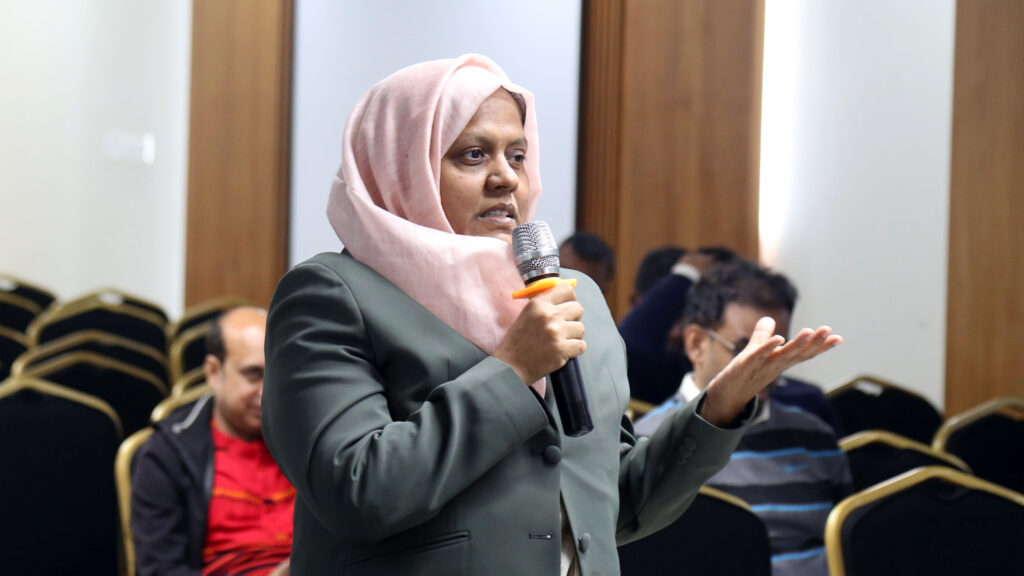
The keynote paper on sustainable economic development and livelihood resilience was presented by Mohammad Sakhawat Hosen, PhD, Chief Agriculturist and Head of Sustainable Economic Development at Friendship. His presentation highlighted practical examples of sustainable development through integrated models combining agriculture, livestock, fisheries, and non-farm livelihoods.
In his speech, Professor Dr A. K. Fazlul Haque Bhuiyan emphasised that integrated development of agriculture, livestock, and fisheries is essential to achieve sustainable economic development and livelihood resilience. He noted that addressing climate change challenges requires the effective application of science-based research, innovation, and real-world field experience to enhance the capacity of marginalised communities.
Runa Khan said that sustainable change is possible only when the right work is done in the right way, in the right amount, and at the right time. She stressed that NGOs cannot replace the role of the government; they can only complement government initiatives. She added that integrated approaches do not work without door-to-door engagement at the field level. Friendship, she said, not only listens to what people say, but also to what remains unsaid. Sharing knowledge is central to Friendship’s mission, while remaining open to learning from other organisations.
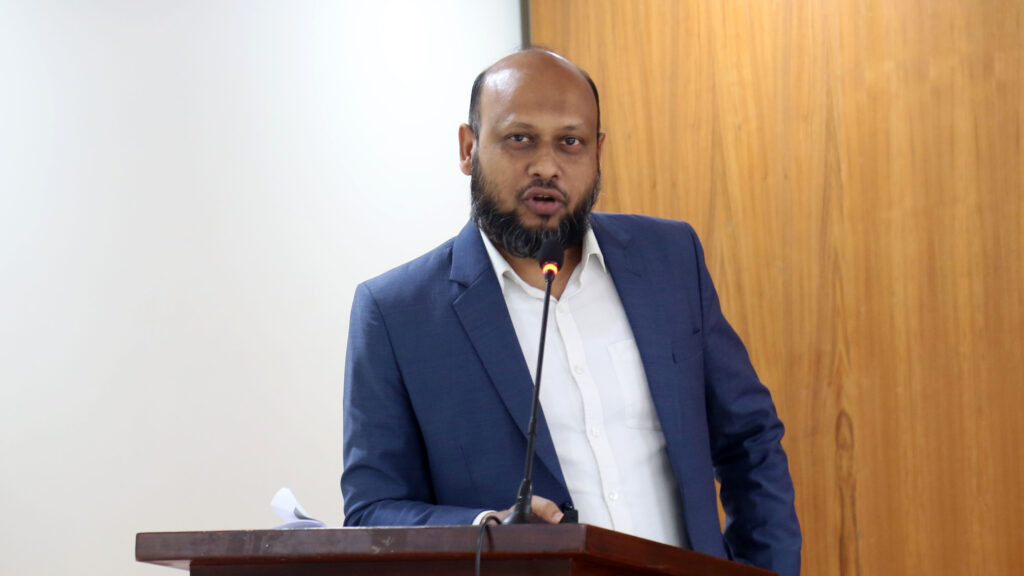
Professor Dr. Md. Abdul Latif, Vice Chancellor of Sher-e-Bangla Agricultural University, noted that building effective linkages between research, education, and field-level implementation is crucial to addressing the impacts of climate change.
The workshop was attended by faculty members from various universities, as well as representatives from the Food and Agriculture Organisation of the United Nations (FAO), WorldFish, Bangladesh Agricultural Research Council (BARC), Krishi Gobeshona Foundation (KGF), Bangladesh Agricultural Development Corporation (BADC), Cotton Development Board, Jute Research Institute, and other government and non-government organisations.