Why Climate Action Must Be Locally Led
by Kazi Amdadul Hoque,
6 May 2026
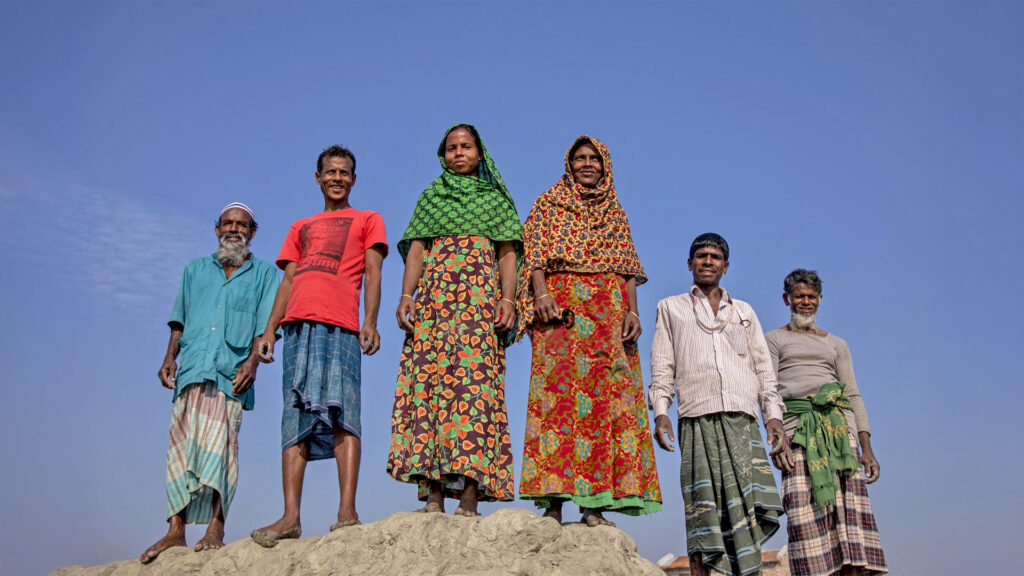
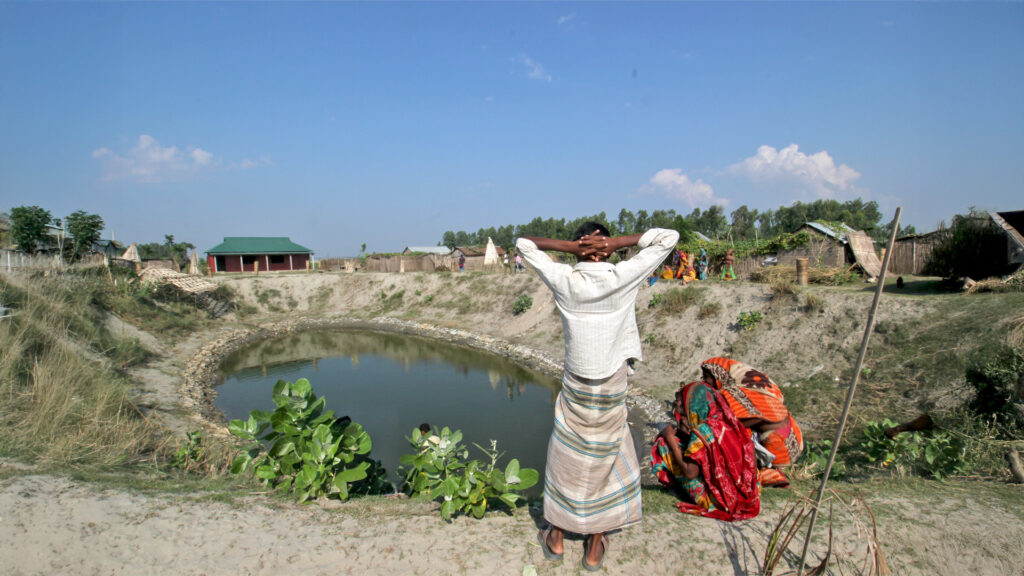
In the coastal reaches of Bangladesh, where the salt-heavy air meets the shifting tides of the Bay of Bengal, climate change is present in myriad forms of misery. It is the river swallowing a family’s rice crop overnight. It is the sight of a mother walking miles further each day because the local well has no more drinkable water. For those living in the most vulnerable corners of the Global South, the climate crisis is an intimate, daily struggle for survival.
For decades, the global response to this struggle followed a predictable, top-down script. Decisions were made in comfortable conference rooms in distant capitals, and “solutions” were delivered to communities with little regard for their unique realities. But as the planet warms, we are learning a hard truth: the most effective solutions are not coming from the top down, they are rising from the ground up. This is the essence of Locally Led Adaptation (LLA), a movement that is fundamentally redefining how we survive a changing world.
This shift took over two decades to fully manifest. In the early 2000s, adaptation was often an afterthought to carbon mitigation, treated as a technical hurdle to be cleared by international experts. However, led by the Least Developed Countries (LDCs) and supported by institutions like the International Institute for Environment and Development (IIED), the narrative began to change. The 2001 National Adaptation Programmes of Action (NAPAs) marked an early realisation that those on the frontlines needed a seat at the table.
Over the last two decades, this thinking has evolved from simple “consultation” to a demand for direct control. We have moved where communities lead what they need to ensure they have the resources and authority with flexibility to build it themselves. This evolution culminated in the 2019 Global Commission on Adaptation and the subsequent endorsement of the eight LLA principles in 2021, which was a global recognition that local actors must be the architects of their own resilience.
Bangladesh has been a pioneer in this journey. Long before “locally led” became a buzzword, our communities were innovating. It was evident at the beginning from the 1st International Conference on Community-Based Adaptation (CBA2) to Climate Change in Dhaka in 2005 (2nd CBA Feb 2007 in Dhaka, 3rd CBA Feb 2009 in Dhaka). Through community-based adaptation initiatives, we have seen how local wisdom often outpaces external engineering. We remember Dr Saleemul Huq for his determination to make a local voice to local leadership. Bangladesh civil society hosted the world community, incubating Locally Led Adaptation.
Consider a simple infrastructure project like a culvert. A distant engineer might place it based on a topographical map, only to find it washed away in a season. A local farmer, however, knows exactly how the water moves during a high tide, how the soil breathes, and where the pressure points lie. When community members lead the placement and design of such infrastructure, it serves the people. Local knowledge is a precision tool that global models cannot replicate. A health centre or water plant can be fixed by local people to ensure easy access across changing seasons.
Despite this clear value, a staggering disconnect remains. Currently, only about 10% of global climate finance actually reaches local levels. The LDCs have set an ambitious goal to increase this to 70% by 2030, but the path is blocked by systemic barriers. Donors often cite a lack of “capacity” in local organisations as a reason to withhold direct funding, drowning small NGOs in excessive reporting requirements that drain the very resources they are meant to bolster.
This needs to change. We must stop viewing “capacity building” as a one-way street where the Global North teaches the Global South. Instead, we must embrace “capacity exchange.” In this model, learning is mutual. While international actors may bring technology and finance, local communities bring lived experience and historical context. True resilience is built through peer learning and the strengthening of local institutions that remain long after a specific project grant has ended.
Locally led adaptation is not about global actors shifting their responsibilities onto the poor. On the contrary, it is about sharing responsibility more effectively. It means reducing bureaucratic hurdles and integrating local governments into the heart of climate strategy.
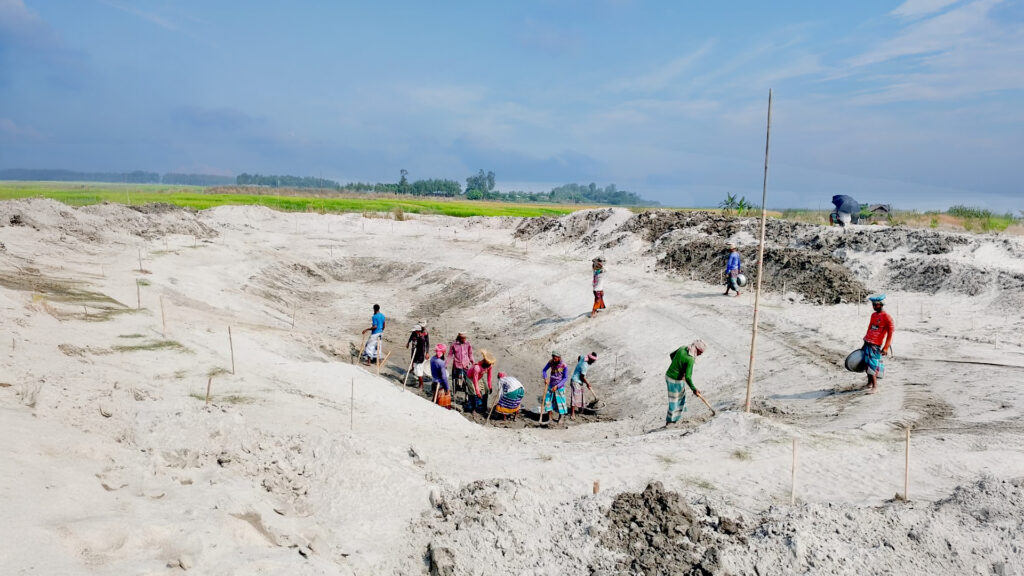
To truly accelerate LLA, donors must radically revisit how funds are channelled and governed. This means decentralising power from global capitals and national governments down to the people. We need a new dimension of collaboration where local civil society and the private sector work hand-in-hand to redefine power and participatory structures. This must be inclusive at its core, ensuring gender balance and the active engagement of young people and even children in the steps forward. From health and education to water, infrastructure, and biodiversity, these sectors can and should be locally managed. By distributing roles and technical management through a mutual lens, we can finally address the contextual issues that top-down models overlook.
When we empower a community to lead, we are strengthening local ownership, self-reliance, and accountability. We are stimulating local economies and ensuring that climate solutions are sustainable because they are owned by the people whose lives depend on them.
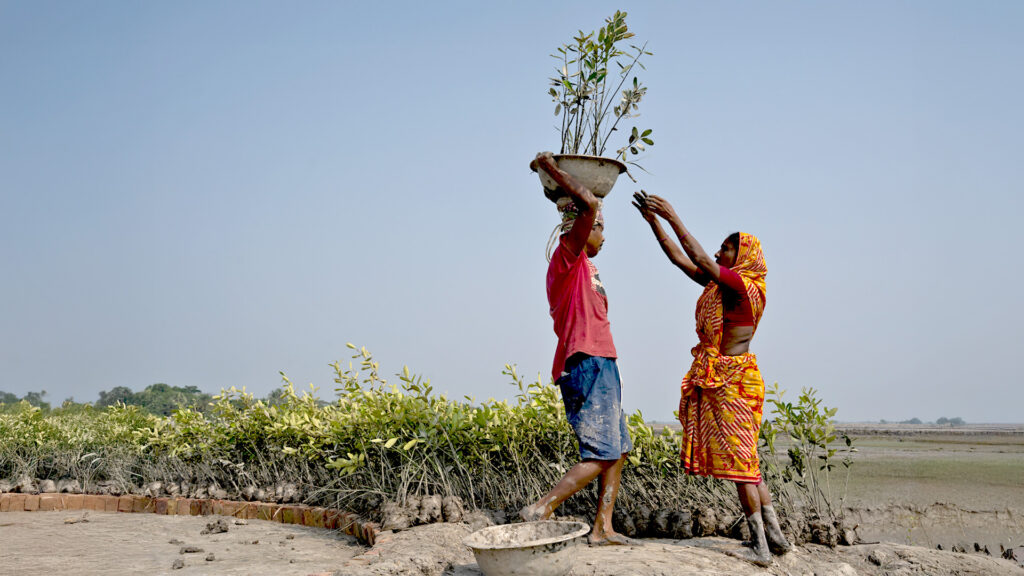
The clock is ticking. Every year of delay increases the human and economic cost of the climate crisis. We no longer have the luxury of slow, top-down experiments. The future of climate resilience lies in the hands of the farmer in Satkhira, the fisherman in the Sundarbans, and the local leader in the village council. Our job is to trust them, fund them, and get out of their way. The frontlines are ready to lead, and it is high time the rest of the world followed.