Climate Communication in a Noisy World
By Magnus Mayeen Ahmed,
25 January, 2026
Climate change today is not only a scientific or environmental challenge, but it is also a communication challenge. The problem is no longer just whether people hear about climate change. It is whether they can trust what they hear, and whether the message reaches them at all.
Two shifts are defining the current moment in climate communication. One is the rapid spread of climate misinformation. The other is a changing media landscape where climate stories receive less consistent attention. Together, these trends are forcing communicators to rethink how climate stories are told, shared, and protected.
The growing threat of climate misinformation
Climate misinformation does not always look dramatic or aggressive. Often, it appears subtle, confusing, or intentionally incomplete. It can take the form of false claims about climate science, exaggerated doubts about solutions, or misleading narratives that frame climate action as unnecessary, harmful, or elitist. Sometimes it is spread deliberately. Sometimes it spreads simply because complex ideas are reduced to headlines without context.
The danger lies in erosion. When people encounter conflicting information again and again, trust weakens. Uncertainty grows. Action slows.
At recent global climate forums, including COP30, the issue of information integrity moved closer to the centre of climate discussions. The recognition is clear. Without trustworthy information, climate action becomes fragile. Policies lose public support. Communities struggle to make informed decisions. Fear and confusion fill the gap where clarity should exist.
Fighting misinformation does not mean overwhelming people with more data. In fact, more data without context can worsen the problem. What is needed is communication rooted in credibility, transparency, and relevance. Trust is built when people understand not only what is being said, but why it matters to them. It is built when sources are clear, when uncertainty is acknowledged honestly, and when communities see their own experiences reflected in the message
Climate communication must therefore focus not only on accuracy, but on integrity. That means telling the truth in ways people can understand, question, and relate to.
Why trust begins close to home
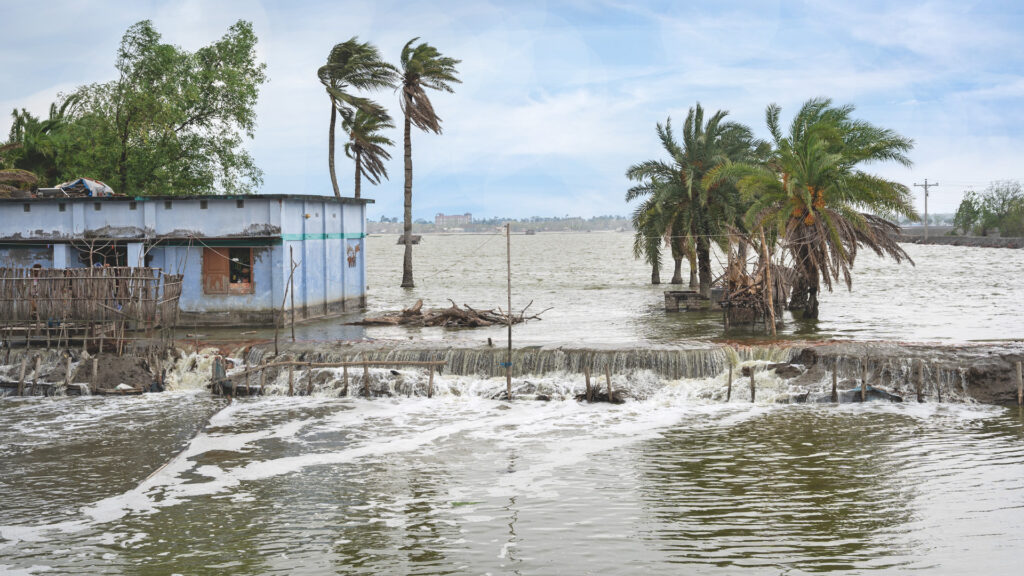
People trust what feels familiar and grounded. A global climate report may be scientifically sound, but for many people it remains distant. A local story about changing rainfall, rising salinity, or extreme heat affecting daily life carries more weight.
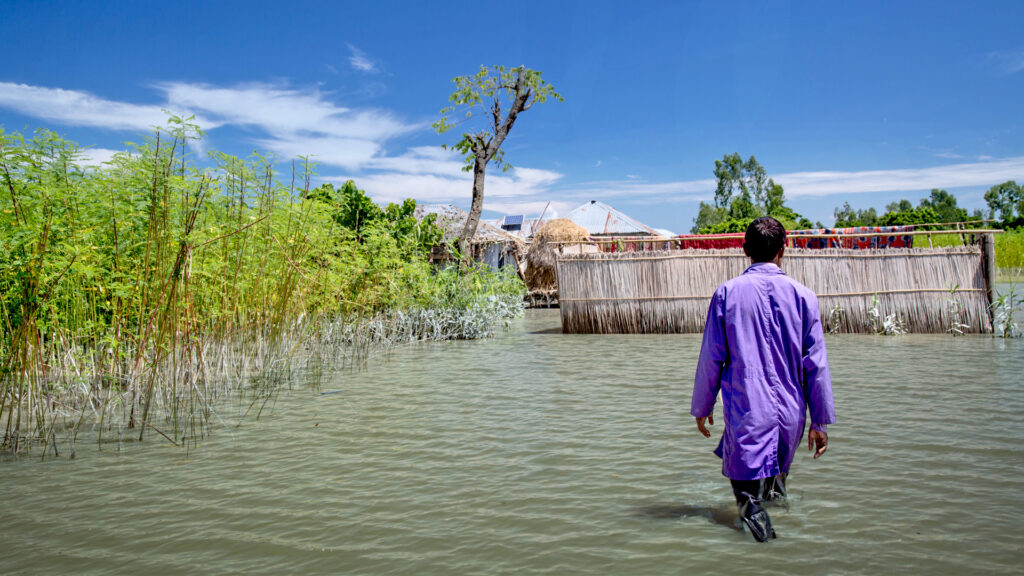
When communities hear climate information from people they recognise, local leaders, teachers, health workers, farmers, the message becomes personal. It becomes real. This is why community-led storytelling matters. It is not only about representation. It is about credibility. When people speak from lived experience, misinformation struggles to take root.
Climate communication must therefore invest in local voices, not as symbols, but as messengers. The role of communicators is not to replace these voices, but to amplify them responsibly.
A shifting media landscape
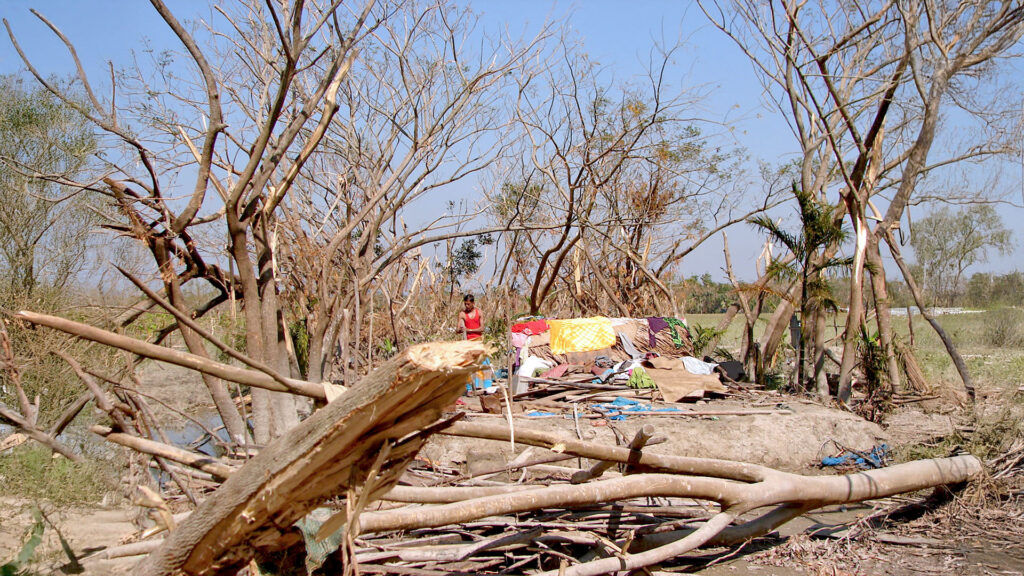
At the same time, climate stories are facing a different challenge. In many regions, overall climate news coverage is declining. This does not mean climate change has become less urgent. It means it is competing with crises that move faster, feel more immediate, or generate stronger emotional reactions. Wars, elections, economic pressures, and viral trends often dominate headlines.
As a result, climate stories are pushed aside or covered only during disasters. Floods, heatwaves, and cyclones make the news. Long-term solutions, adaptation efforts, and community resilience often do not.
For communicators, this demands a shift in strategy.
Relying solely on traditional media is no longer enough. Climate communication must adapt to where people are spending their attention. This includes social media, short-form video, visual storytelling, and platforms that prioritise emotion and clarity over length.
But adaptation does not mean dilution. The challenge is to remain truthful while engaging. To be visible without becoming sensational.
From coverage to connection
The future of climate communication is not about shouting louder. It is about connecting better.
This means meeting audiences where they are, using formats they engage with, and language they understand. It means shifting from one-way messaging to dialogue. From awareness alone to understanding and trust.
Short videos, visual narratives, and personal stories can carry complex ideas when crafted carefully. A single image, a short quote, or a quiet moment captured well can sometimes communicate more than a long explanation.
At the same time, communicators must remain vigilant. Faster formats can also spread misinformation faster. The responsibility to fact-check, verify, and contextualise becomes even more important.
Protecting the climate story
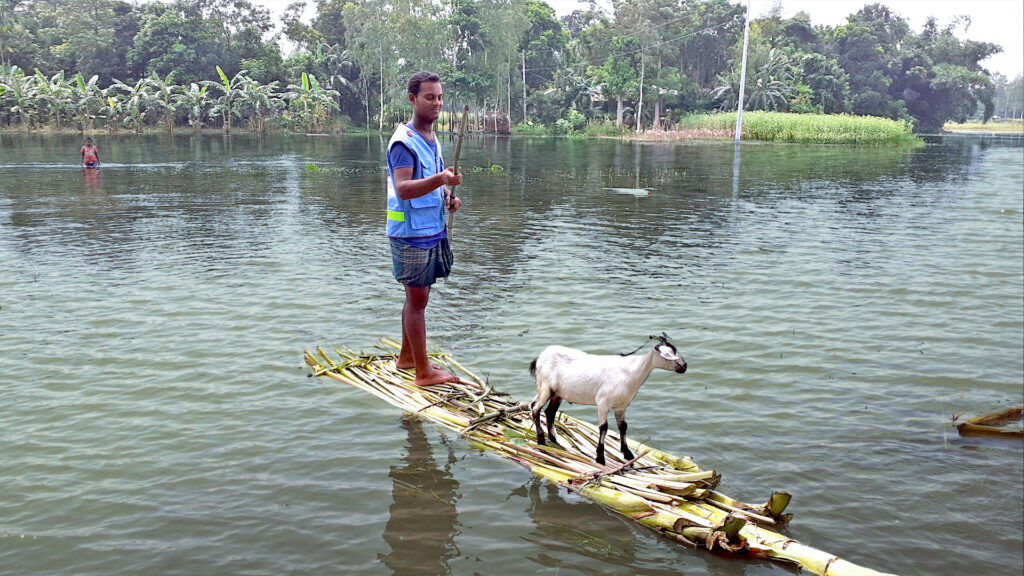
Climate communication today is about protection as much as persuasion. It is about protecting truth from distortion. Protecting attention from distraction. Protecting trust from erosion.
The climate story is not only about melting ice or rising temperatures. It is about people navigating change, uncertainty, and hope. It is about decisions made today that shape lives tomorrow.
If we lose control of that story to misinformation or indifference, we lose more than a narrative. We lose momentum. Clear, honest, human communication remains our strongest tool. Not to simplify the problem, but to make it understandable. Not to frighten, but to empower.
In a crowded, noisy information world, the most powerful climate message may still be the simplest one. Tell the truth. Tell it clearly. And make sure it reaches the people who need it most.